
Iran announced Saturday it had closed the Strait of Hormuz, the waterway that carries roughly a fifth of the world’s traded oil and natural gas, less than 24 hours before its own negotiators were due in Switzerland to begin formal talks with the United States over the same agreement that was supposed to keep the strait open.
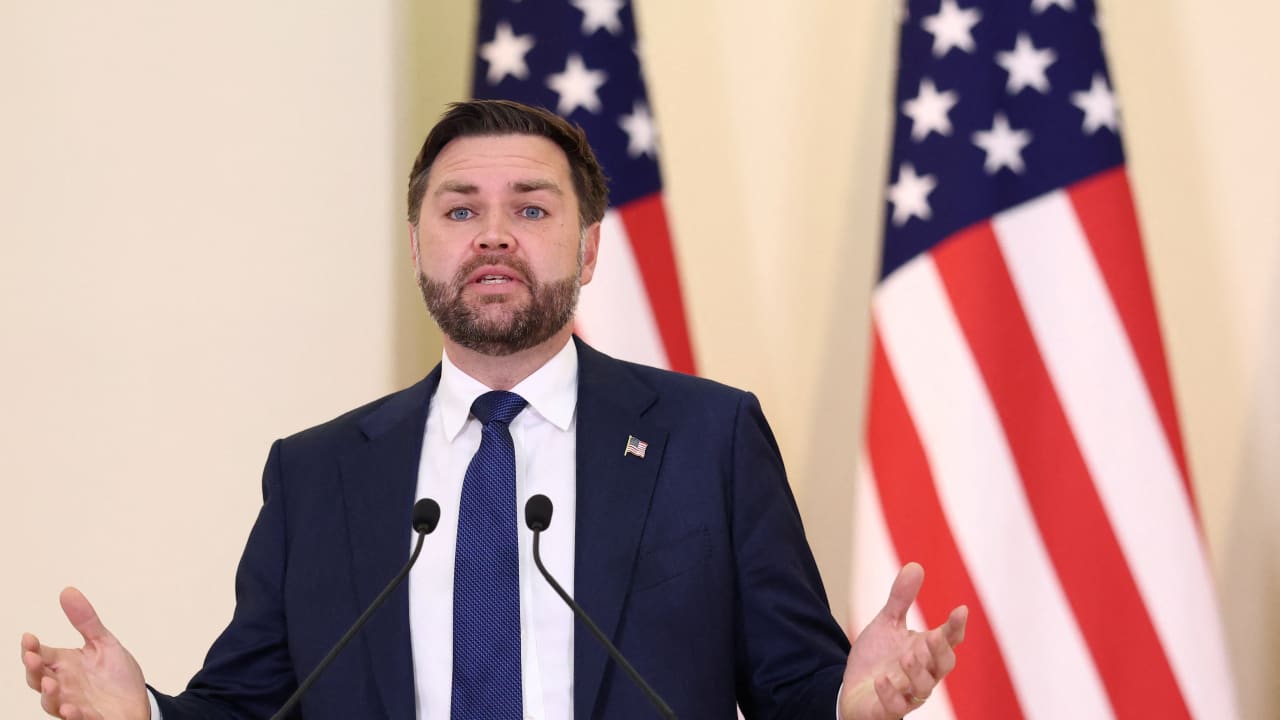
U.S. Central Command disputed the claim, saying American forces continued to monitor the strait and that traffic through it had not stopped. Vice President JD Vance, who arrived in Switzerland early Sunday to join the talks, said millions of barrels of oil had moved through the waterway in recent days.
The discrepancy landed at the start of a 60-day window U.S. and Iranian negotiators are using to work out the technical details of an interim deal signed last week between President Donald Trump and Iranian President Masoud Pezeshkian. That agreement is meant to end the war between the two countries and curb Tehran’s nuclear program. Its outcome carries weight far beyond Iran and the United States, given how much of the global economy depends on oil moving through the strait.
Read also: Switzerland To Host Ukraine-US Talks On Trump Peace Plan
Iran’s government framed Saturday’s announcement as a response to Israeli strikes in Lebanon, not to the nuclear negotiations themselves. Tehran also signaled that little progress was likely to come out of the Switzerland talks, even as it confirmed its delegation would attend.
That delegation includes parliamentary speaker Mohammad Bagher Qalibaf and Foreign Minister Seyyed Abbas Araghchi, along with central bank and oil officials, according to Iranian state television. Araghchi arrived at the Bürgenstock resort near Lucerne early Sunday.
Vance had originally planned to be on the ground Friday. Escalating fighting in Lebanon and a last-minute Iranian cancellation pushed his arrival back two days. He landed at Emmen Air Base with second lady Usha Vance just before 6 a.m. local time, according to his office, and said he expected to stay in Switzerland for “a day or two,” leaving the bulk of the technical negotiating to special envoy Steve Witkoff and Jared Kushner, the president’s son-in-law, both of whom were already in Switzerland working through details of the nuclear file.
Pakistan has inserted itself into the process as well. Prime Minister Shehbaz Sharif and army chief Field Marshal Asim Munir are taking part alongside Qatari mediators, and Pakistan’s foreign ministry said Sharif would hold separate meetings with the Iranian, Swiss and American delegations to reaffirm what it described as Pakistan’s enduring commitment to regional dialogue.
Read also: Mercosur Deal With Switzerland Blocked In Lower House
The deal itself, signed barely a week ago, already lets Iran sell its oil on the open market and begins unlocking billions of dollars in frozen assets. In exchange, Tehran is required to dilute its stockpile of highly enriched uranium, material believed to remain buried beneath nuclear sites the United States struck last summer.
The agreement also guarantees free passage for commercial vessels through the Strait of Hormuz for 60 days, though it leaves open the possibility that Iran could impose fees once that window closes.
Trump has floated charging his own toll. In a social media post Saturday, he threatened to levy U.S. fees on traffic through the strait if no lasting deal is reached with Iran within 60 days, describing the money as compensation for what he called America’s role as “Guardian Angel” to the Middle East.
Markets are watching closely. Oil futures fell almost 8% after the White House first announced the framework a week ago, and traders were expected to track Sunday evening’s reopening for signs of how the strait dispute and the Switzerland talks might move prices, particularly with U.S. gasoline costs already drawing complaints from American drivers heading into peak summer travel.
Neither Israel nor Hezbollah signed the U.S.-Iran agreement, and neither is bound by it. Israeli Prime Minister Benjamin Netanyahu has said his forces will remain in southern Lebanon until threats to Israel are eliminated, while Hezbollah has said it will not stop its attacks unless Israel withdraws. That fighting has continued throughout the early days of the supposed diplomatic opening the Switzerland talks were meant to represent.
It has also continued to kill people. Combat between Israeli forces and Hezbollah in the days immediately following the U.S.-Iran agreement left 47 people dead in Lebanon and killed four Israeli soldiers — a toll accumulated in the same window negotiators spent traveling to Switzerland to discuss how to keep the peace.