
Greenland Resources has secured C$7 million, or roughly $4.93 million, from the Canadian government to advance its molybdenum mine on the Arctic island, marking the first time any G7 nation has put public money directly into Greenland’s mining sector.
The funding is structured as a non-repayable contribution, channeled through Natural Resources Canada’s Critical Minerals Research, Development and Demonstration program, according to a statement from the Toronto-listed company.
Money alone doesn’t explain why this matters. Molybdenum does.
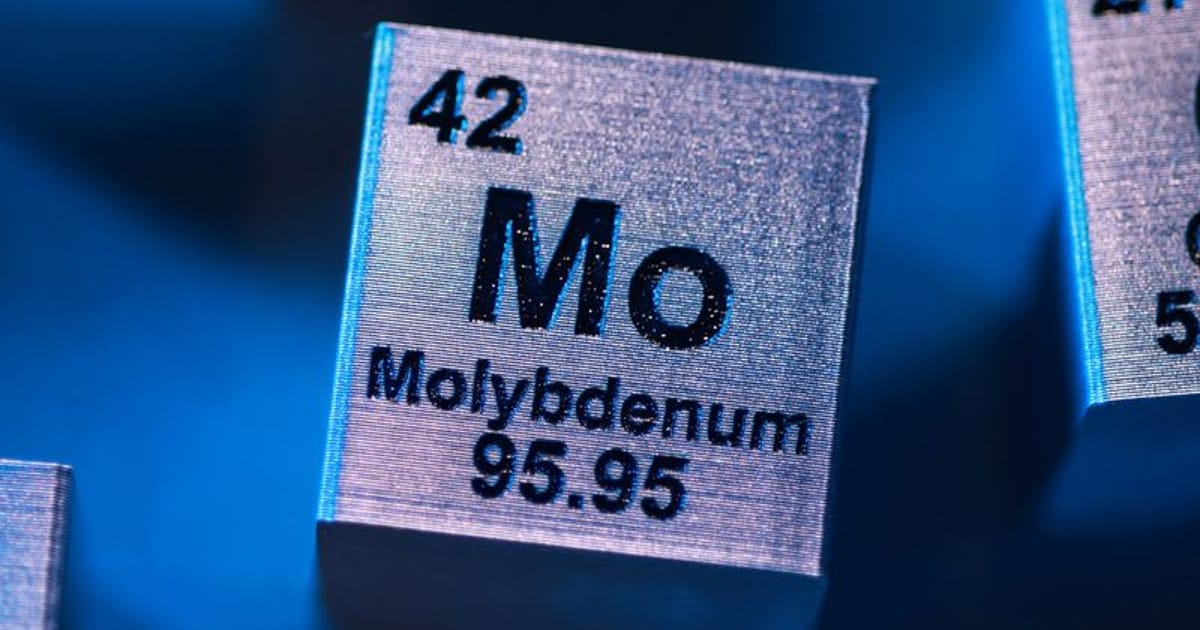
The silvery-white metal is prized for one specific property: it strengthens steel and makes it more resistant to heat and corrosion. That makes it indispensable across aerospace manufacturing, defense production and clean energy infrastructure — sectors where failure under extreme conditions is not an option. Both the European Union and the United States have formally classified it as a critical mineral.
Read also: Trump Threatens To Block Detroit-Canada Bridge Opening
Greenland Resources is developing the metal’s deposits at Malmbjerg, an open-pit site in east Greenland that received its mining permit roughly a year ago with backing from the European Union.
China currently controls about 40% of global molybdenum production. That concentration became a geopolitical flashpoint in early 2025, when Beijing imposed export controls on the metal, a move that rattled Western governments already anxious about supply chains for materials they cannot easily source elsewhere.
Canada’s investment lands inside a much larger contest over who gets to shape Greenland’s future.
Read also: Trump Threats Push Canada Closer To Nordic Arctic Partners
Washington’s interest in the island has grown increasingly assertive. President Trump has pushed to bring Greenland under American control, a campaign that both Denmark and Greenland’s own government have flatly rejected. The dispute has not stayed contained to diplomatic channels — it hung over Denmark’s national election earlier this year and has injected fresh urgency into Western capitals’ calculations about Arctic resources.
What Trump’s pressure campaign produced, paradoxically, was a stampede of interest from other Western governments and companies eager to stake claims of their own. Canada’s grant arrives as part of that broader scramble, positioning Ottawa as the first G7 capital willing to put money behind the rhetoric.
Greenland’s resource wealth has rarely translated into developed mines. Bureaucratic hurdles and a chronic shortage of financing have kept much of the island’s mineral potential locked underground for years, even as global demand for critical minerals has intensified.
That financing gap is precisely what Canada’s contribution is designed to close, at least for one project. Whether other G7 governments follow with their own capital will determine if Greenland’s mining sector finally breaks free of the bottleneck that has defined it for decades — or whether Monday’s announcement stands as a single data point in an island still waiting for the rest of the world to show up.