
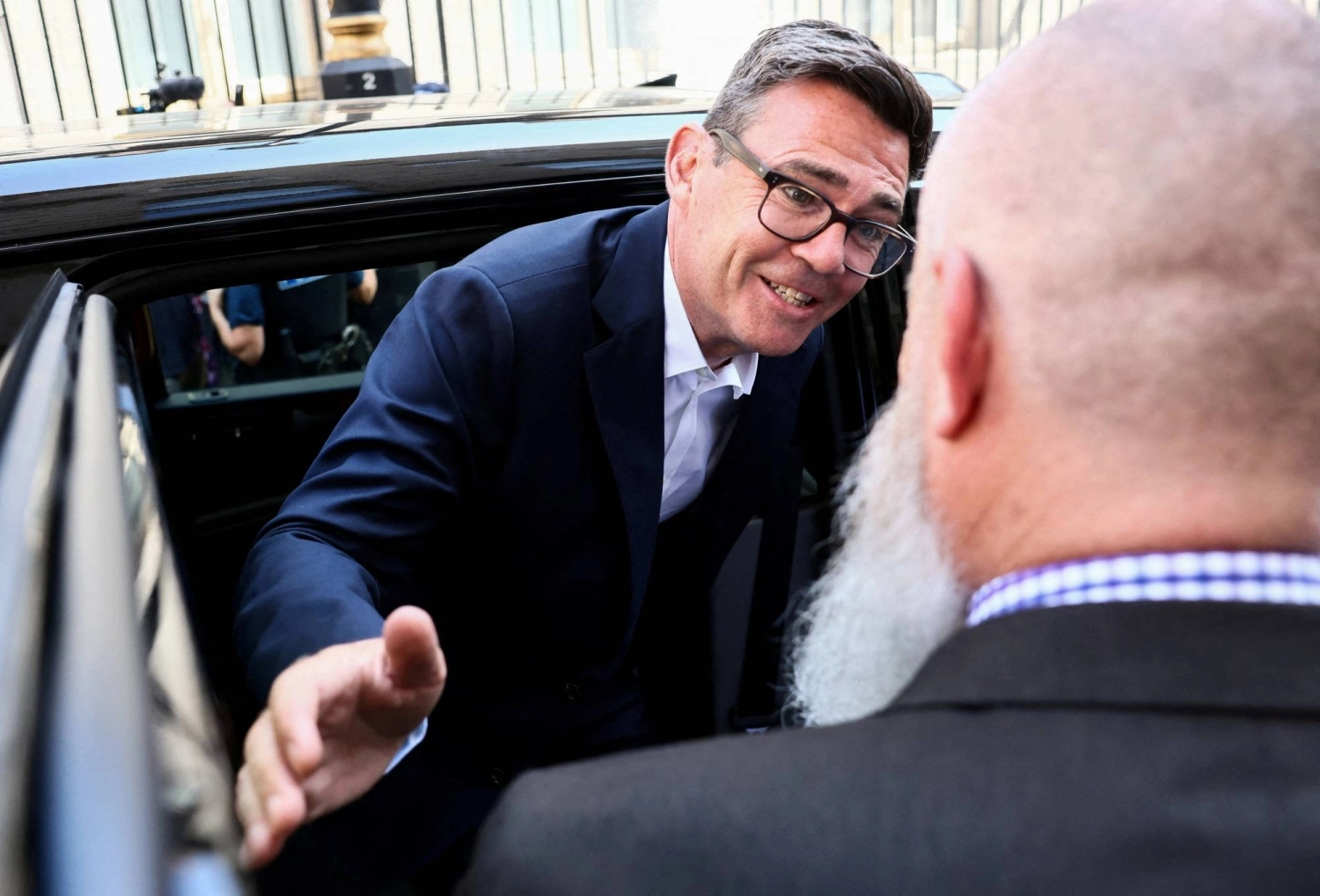
Andy Burnham has already softened the boldest parts of his platform before he’s even reached Downing Street. The Labour lawmaker, widely expected to become Britain’s next prime minister within weeks, walked back an earlier suggestion that government should free itself from being “in hock to the bond markets,” saying afterward that his remarks had been misrepresented. He has also retreated from previous calls for large-scale nationalization and for a near-term path back into the European Union.
That retreat sets the backdrop for what Burnham’s office says will be his flagship pitch on Monday: a promise to move power out of London and into Britain’s regions, paired with a 10-year commitment to lift living standards through reindustrialization, housing, infrastructure investment and utility reform.
Housing minister Steve Reed moved Sunday to reassure markets and party moderates alike that the ambition has limits. Burnham, he told Sky News, intends to honor the fiscal rules already in place — balancing day-to-day government spending against tax revenue and shrinking debt relative to economic output. Reed framed those rules as having delivered Britain its first real stretch of economic stability in over 15 years.
Burnham himself, according to his office, will frame Monday’s speech around a deeper question than who simply runs the country.
Read also: Starmer Faces Calls To Quit As Second Aide Resigns
The address is meant to reset how Britain governs itself, not just who sits in the prime minister’s chair.
He plans to describe his program as the “circuit-breaker” Britain needs to “lift the country back up to where it should be.” A pledge to overhaul public procurement rules in favor of British jobs and domestic industry will accompany the devolution proposal.
None of it arrives with much fiscal room to maneuver. Britain’s economy is still absorbing the shock of the war in Ukraine, compounded more recently by the energy disruption tied to the U.S. conflict with Iran. That combination leaves little space for the kind of sweeping spending changes Burnham once floated.
Keir Starmer’s departure created the opening Burnham is now positioned to fill. Starmer announced last week he would step down, a stunning reversal just two years after leading Labour to a commanding parliamentary majority, as his approval ratings collapsed.
Burnham is currently the only declared candidate for the leadership. He returned to Westminster earlier this month after winning a parliamentary seat, a procedural step widely read as clearing the final obstacle to his taking power.
Read also: Starmer And Trump Speak After Days Of Public Acrimony
His rise traces back to Manchester. As mayor of Greater Manchester, he built a public profile distinctive enough to earn him the nickname “King of the North,” and a governing style some have labeled “Manchesterism” — built around devolved authority and regional economic identity. That brand is now the foundation of his national pitch.
Should he take office, Burnham would become Britain’s seventh prime minister in a decade, a turnover rate that reflects the volatility gripping British politics as much as any individual leader’s fortunes. Many within Labour believe he is uniquely positioned among the party’s ranks to counter the rising appeal of Nigel Farage’s Reform UK, an anti-immigration party that has been steadily eating into Labour’s traditional base.
That belief rests heavily on personality. Party figures point to Burnham’s charisma and his perceived ability to connect with voters who have drifted from Labour, qualities they argue Starmer increasingly lacked as his popularity eroded.
What emerges is a candidate trying to hold two positions simultaneously: promising structural change to how Britain is governed, while reassuring markets and his own party’s centrists that the change will not touch the fiscal framework underpinning the country’s recent economic stability. Reed’s comments Sunday were as much a message to bond markets as to voters.
Burnham has not abandoned ambition. He has narrowed it. The version of his platform reaching Downing Street, if he gets there, will look measurably more cautious than the one he was sketching out before his return to national politics — a recalibration that may say as much about Britain’s fiscal constraints as about Burnham himself.