
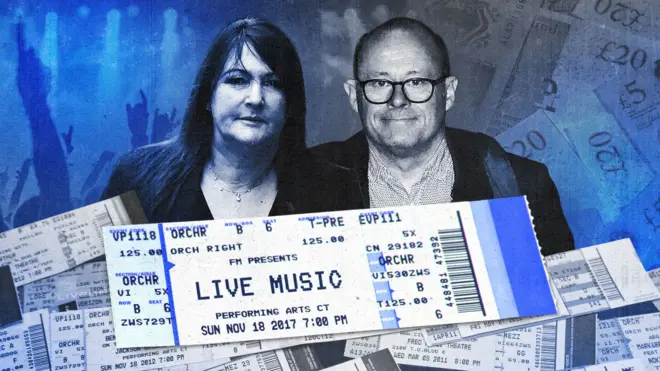
Britain is set to outlaw the resale of tickets for concerts, sports and other live events at multiples of their original price, the government said Tuesday, as part of its crackdown on ticket touts using technology to bulk-buy and re-sell tickets.
Housing Minister Steve Reed argued that “ticket touting” forces ordinary fans to pay “through the nose” for live events, and pledged ministers would soon release detailed legislation to stop the practice.
Shares in StubHub’s parent company fell 14% after reports of the proposed ban. Government sources say major secondary-market platforms may soon face a ban on selling tickets above face value, as well as limits on fees they can charge.
At the same time, Britain’s Competition and Markets Authority (CMA) announced it has launched investigations into the pricing practices of leading resale sites, including UK and U.S. branches of StubHub and Viagogo.
Reed told the BBC that the government was “committed to ending the scandal of ticket touts.” He pointed to the resale of tickets for highly sought-after events — such as rock band Oasis’ tour — which often appear on secondary markets for vastly inflated prices just minutes after they sell out.
Read Also: UK Asylum Reform: Refugee Status To Become Temporary
Earlier this year, ministers floated the idea of capping resale prices at up to 30% above face value, but more recent reporting suggests the government now aims for a full ban on above-face-value resales.
The move reflects mounting political pressure on the government to safeguard fans who struggle to afford major live events. Ticket touts have long relied on bots and bulk-purchasing tools to corner the market for in-demand shows, leaving genuine fans reliant on the resale market at inflated rates.
Reed said a formal announcement is expected in the coming days, though he did not specify timelines for the legislation.
The CMA’s investigation ramps up regulatory scrutiny on resale platforms. Authorities will evaluate whether these sites are exploiting consumers or engaging in unfair practices.
If the ban goes through, it would signal a major shift in the live-entertainment industry, potentially reshaping how tickets are bought and sold, and who ultimately bears the cost of tickets for big-name events.