
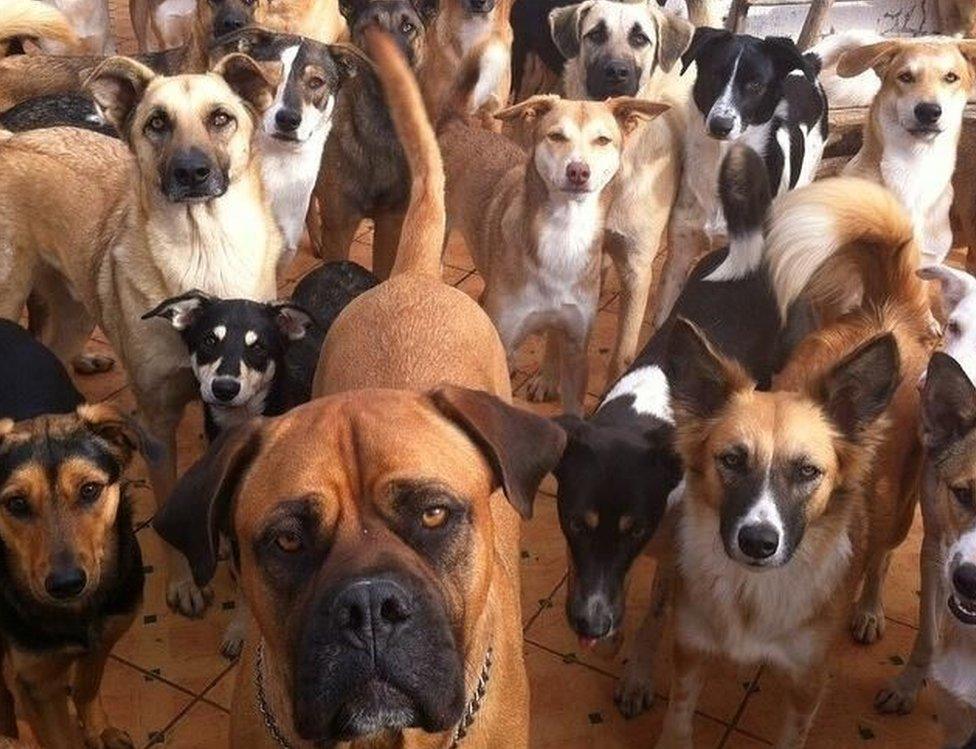
As Morocco accelerates preparations to co-host the 2030 FIFA World Cup, allegations of a sweeping campaign against stray dogs have drawn international scrutiny and placed the North African nation under mounting ethical and diplomatic pressure.
According to a report by Africa Today News, as many as three million stray dogs could be culled as part of efforts to “clean up” urban areas ahead of the global football tournament. Animal rights organizations claim the measures underway in certain host cities include mass shootings, poisonings, and, in extreme allegations, dogs being burned alive. The issue has reportedly been brought to the attention of FIFA, football’s global governing body.
Morocco is set to co-host the 2030 World Cup alongside Spain and Portugal, marking the first time the tournament will be jointly staged across Europe and Africa. The event carries significant symbolic weight for Morocco and the wider continent. It is seen not only as a sporting milestone but also as an opportunity to showcase infrastructure development, tourism potential, and urban modernization.
Major international tournaments often prompt host nations to undertake large-scale urban reforms. These preparations typically focus on stadium construction, transport networks, security systems, and public space upgrades. However, in several past host countries globally, such efforts have also sparked controversy over how authorities address informal settlements, homelessness, and stray animal populations.
Morocco has long grappled with a substantial stray dog population, particularly in densely populated urban centers. Estimates of the number of stray dogs nationwide vary, but figures reaching into the millions have been cited by advocacy groups. Local municipalities have historically relied on a mix of sterilization programs and culling efforts to manage the issue, though enforcement and oversight have not always been consistent.
Animal rights organizations now allege that the scale and intensity of current measures exceed routine population control. According to campaigners, operations in cities expected to host World Cup matches have involved aggressive tactics aimed at rapidly reducing visible stray populations. They claim that dogs are being rounded up and killed in large numbers, with insufficient safeguards to ensure humane treatment.
These allegations have sparked concern beyond Morocco’s borders. International advocacy networks argue that preparations for a global sporting event should not come at the expense of animal welfare standards. They have called for transparency from Moroccan authorities and for FIFA to ensure that host nations adhere to internationally recognized humane practices.
FIFA has not publicly detailed its response, but reports indicate the governing body has been alerted to the situation. Under its statutes and bidding requirements, FIFA expects host countries to comply with certain human rights and ethical standards. In recent years, the organization has faced growing pressure to consider broader social impacts when awarding and overseeing tournaments.
Read Also: House Speaker Denies Jesse Jackson Sr. Capitol Honor
For Morocco, the controversy presents a delicate balancing act. The country has invested heavily in positioning itself as a stable, forward-looking gateway between Africa and Europe. Hosting the World Cup is intended to reinforce that narrative. Yet negative publicity tied to animal welfare could complicate diplomatic messaging and invite scrutiny from civil society groups in Europe and North America, where such issues often resonate strongly with the public.
At the domestic level, authorities face practical challenges. Stray dogs can pose public health concerns, including risks of rabies transmission and traffic accidents. Urban residents sometimes complain about safety and sanitation issues linked to unmanaged animal populations. Municipal leaders therefore confront competing pressures: improving city conditions ahead of a global event while respecting ethical standards and international perceptions.
Animal welfare advocates argue that mass culling is neither sustainable nor effective in the long term. They promote alternative strategies such as trap-neuter-release (TNR) programs, vaccination campaigns, and public education initiatives aimed at reducing abandonment. Several international organizations have offered technical assistance to countries dealing with large stray populations, emphasizing that humane population management can align with public health objectives.
The broader African context is also relevant. As more major international events are hosted on the continent, governments face intensified scrutiny over governance practices, environmental management, and human rights considerations. Decisions taken in preparation for such events increasingly shape how African nations are perceived on the global stage.
Morocco’s World Cup preparations are unfolding against a backdrop of significant infrastructural ambition. The government has announced upgrades to transport corridors, airport expansions, and urban redevelopment projects in key host cities. The tournament is expected to generate employment and attract foreign investment, reinforcing Morocco’s strategic economic positioning.
Yet reputational risks accompany opportunity. In the age of social media and transnational advocacy networks, local policy decisions can quickly escalate into international controversies. Allegations involving animal cruelty, in particular, can mobilize global campaigns that place pressure on sponsors, sporting bodies, and host governments alike.
It remains unclear whether Moroccan authorities will formally address the specific claims reported by The Athletic. No comprehensive official statement detailing the scope or methods of current stray dog control operations has been publicly released at the time of reporting. Clarification from relevant ministries or municipal authorities would likely shape the trajectory of the debate.
Read Also: Spain Urges EU To Ease Venezuela Sanctions After Amnesty Vote
FIFA, too, faces questions about the extent of its oversight. The organization has sought in recent years to strengthen its human rights framework, especially following criticism linked to previous tournaments. Whether and how it engages Moroccan officials on animal welfare concerns may signal how broadly it interprets its ethical responsibilities.
As preparations for 2030 continue, the intersection of urban management, public health, and international image will remain under examination. The World Cup is designed to celebrate sport and global unity. Ensuring that its staging does not generate preventable humanitarian or ethical controversies will be central to its legacy.
For Morocco, the challenge is clear: demonstrate that modernization and global integration can proceed without compromising humane standards. The coming months may determine whether this issue becomes a fleeting controversy or a defining test of governance in the run-up to one of the world’s most watched sporting events.