
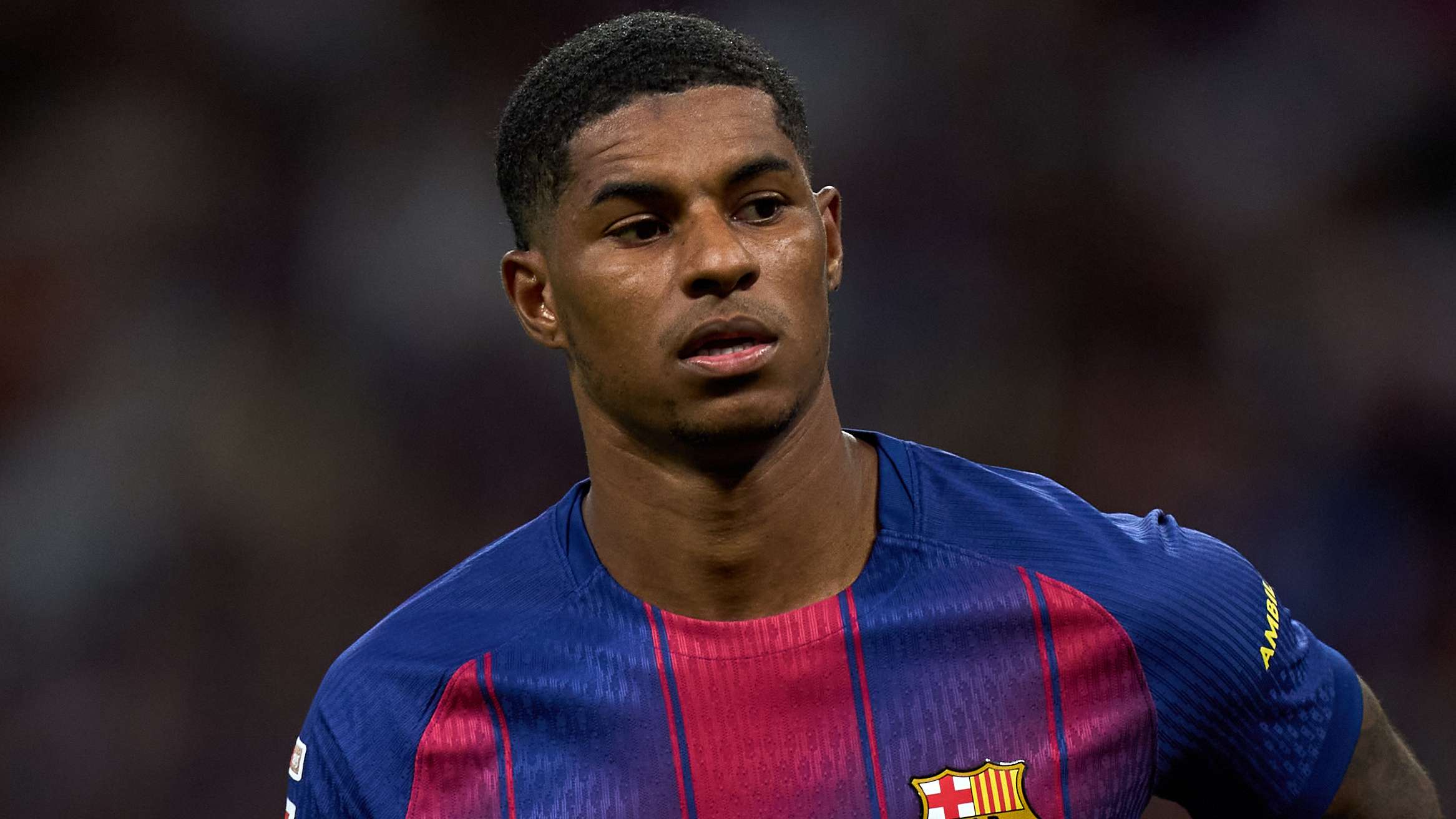
Clarification has emerged around the contractual status of Marcus Rashford, as competing narratives surrounding his potential transfer to FC Barcelona give way to a more precise understanding of the situation. Contrary to recent claims circulating across segments of the football media, the reported £26 million purchase option attached to Rashford’s arrangement has not lapsed and remains valid through the end of the current season.
This confirmation restores a degree of procedural clarity to what had become an increasingly ambiguous transfer storyline. At its core, the issue reflects the complexities inherent in modern football contracts, where timing clauses, financial thresholds, and strategic recalibrations often intersect. In this instance, the persistence of the buy option ensures that Barcelona retain a formal mechanism to secure Rashford’s services on a permanent basis, should they elect to proceed under the agreed terms.
Read Also: India Converts LPG Import Crunch Into Piped Gas Push
Yet while the contractual framework remains intact, the broader negotiation landscape is far from settled. Barcelona are understood to be reassessing the financial parameters of the deal, with internal discussions focused on the possibility of renegotiating the fee. This approach is consistent with the club’s recent transfer strategy, which has been shaped by ongoing financial constraints and the need to balance competitive ambitions with regulatory compliance. Adjusting previously agreed terms, particularly in relation to transfer fees and wage commitments, has become a recurring feature of Barcelona’s market behavior in recent years.
Manchester United, by contrast, have adopted a markedly firmer stance. The club is not prepared to revisit the £26 million valuation embedded in the clause, signaling a preference for contractual certainty over extended negotiation. This position reflects a broader shift within the organization toward disciplined financial management and a more structured approach to player trading. In declining to reopen discussions, United are effectively placing the decision back in Barcelona’s hands: proceed at the agreed price or forgo the option entirely.
The divergence between the two clubs underscores a familiar tension within elite football’s transfer economy. Buy options, while designed to provide clarity at the outset of a loan or provisional arrangement, often become points of contention as market conditions evolve. Clubs may reassess a player’s value based on performance, financial capacity, or shifting tactical priorities, leading to attempts to renegotiate terms that were initially accepted. In Rashford’s case, this dynamic is particularly pronounced given both his profile and the financial realities facing Barcelona.
From a sporting perspective, Rashford represents a player of considerable pedigree and versatility. His capacity to operate across the forward line, combined with experience at both domestic and international levels, makes him an attractive proposition for clubs seeking attacking depth. For Barcelona, whose squad-building efforts have increasingly focused on balancing youth development with targeted acquisitions, securing a player of Rashford’s caliber could offer both immediate impact and medium-term stability.
However, the financial dimension cannot be separated from the sporting rationale. Barcelona’s economic constraints have necessitated a cautious approach to expenditure, often involving staggered payments, performance-related add-ons, or renegotiated fees. The desire to revisit the £26 million clause should therefore be understood within this broader context, rather than as a reflection of uncertainty about the player’s quality.
For Manchester United, the situation carries its own strategic implications. Rashford is not only a high-profile asset but also a product of the club’s academy system, embodying a connection to institutional identity that extends beyond on-field contributions. Any decision regarding his future must therefore balance financial considerations with symbolic and sporting factors. By holding firm on the agreed valuation, United are signaling both confidence in the player’s market worth and a reluctance to engage in negotiations that could dilute that assessment.
The timing of the decision window adds further complexity. With the option remaining active until the end of the season, Barcelona retain the flexibility to monitor Rashford’s form and fitness before making a final commitment. This extended evaluation period can be advantageous, allowing for a more informed judgment. At the same time, it introduces an element of uncertainty for all parties involved, particularly as planning for the next campaign intensifies.
Beyond the immediate transaction, the episode illustrates broader structural features of the contemporary transfer market. Financial regulation, including league-specific rules and continental oversight mechanisms, has reshaped how clubs approach player acquisition. Flexibility, once a secondary consideration, has become central to deal-making. Yet this flexibility often collides with the fixed nature of contractual clauses, producing the kind of standoff now evident between Barcelona and Manchester United.
The coming weeks are likely to prove decisive. Barcelona must determine whether Rashford justifies the existing financial commitment or whether their strategic priorities warrant a different allocation of resources. Manchester United, for their part, appear content to maintain their position, effectively setting a clear and unambiguous threshold for any potential transfer.
Read Also: Man United Face Uncertainty Over Goalkeeper’s Future
In practical terms, the existence of the active clause ensures that the pathway to a deal remains open. However, the absence of alignment between the two clubs on valuation introduces a significant obstacle. Unless Barcelona are prepared to meet the £26 million figure, the option may ultimately expire unused, leaving Rashford’s future to be reassessed in a different market context.
What emerges from this situation is not merely a dispute over price, but a reflection of how modern football operates at the intersection of finance, strategy, and performance. Contracts provide structure, but they do not eliminate negotiation. Clubs, even when bound by formal agreements, continue to interpret and challenge those frameworks in pursuit of competitive advantage.
As the season approaches its conclusion, Marcus Rashford remains at the center of a negotiation defined by restraint as much as ambition. The outcome will depend not only on contractual rights, but on the willingness of each party to reconcile differing priorities within an increasingly complex football economy.