
JURISDICTIONAL NOTICE
U.S. FIRST AMENDMENT PROTECTED.
Any attempt by the Nigerian State or its proxies to suppress, threaten, hack, intimidate, or interfere with this publication will be documented, preserved as evidence, and reported to the FBI, U.S. Department of Justice, and relevant federal authorities.
♦♦♦♦♦♦♦♦♦♦♦♦♦♦♦♦♦♦♦♦♦♦♦♦♦♦♦♦♦♦♦♦♦♦♦♦♦♦♦♦♦♦♦♦♦♦♦♦♦♦♦♦
A forensic dissection of Flora Shaw’s colonial label, Decree No. 24, and the militarized elite cartel that turned Nigeria into a republic no president can redeem without restructuring.
Barracks Federalism: How the Military Seized the Social Contract
A forensic asset of how military rule broke regional strength, centralized power, and taught Nigeria to mistake command for government.
Military rule did not pass through Nigeria like a storm that left no trace. It entered the bones of the state. Coups removed governments, but the deeper damage came through decrees, revenue centralization, state creation, command habits, and the steady replacement of negotiated federalism with barracks rule wearing constitutional language. Nigeria did not only lose elected governments during the long military years. It lost the discipline of agreement.
Before the soldiers remade the republic, regional government carried real meaning. The early federation was far from perfect; ethnic rivalry, party conflict, census disputes, election crises, and minority fears were already severe. Yet the regions possessed meaningful fiscal and policy energy. They could compete, plan, tax, build, and carry responsibility for development in a way that made government closer to production. Awolowo’s Western Region, the Northern establishment, and Eastern regional ambition all showed that political competition could be tied to visible development. The problem was not that regional federalism had no tensions. The problem was that soldiers answered political tension with command centralization.
Read also: Nigeria: The Slave Name And The Restructuring Verdict — Part 4
The 1966 coups opened a rupture. Civilian legitimacy collapsed into military command, and the vocabulary of national unity became attached to the logic of hierarchy. Soldiers are trained to command downward. Federations require negotiation sideways. Those instincts cannot be confused without damaging the republic. Luckham’s study of the Nigerian military remains central because it shows the internal social and institutional tensions that surrounded military authority in the early crisis years (Luckham, 1971). Once the barracks entered national power, political disagreement became a matter to be settled by decree rather than covenant.
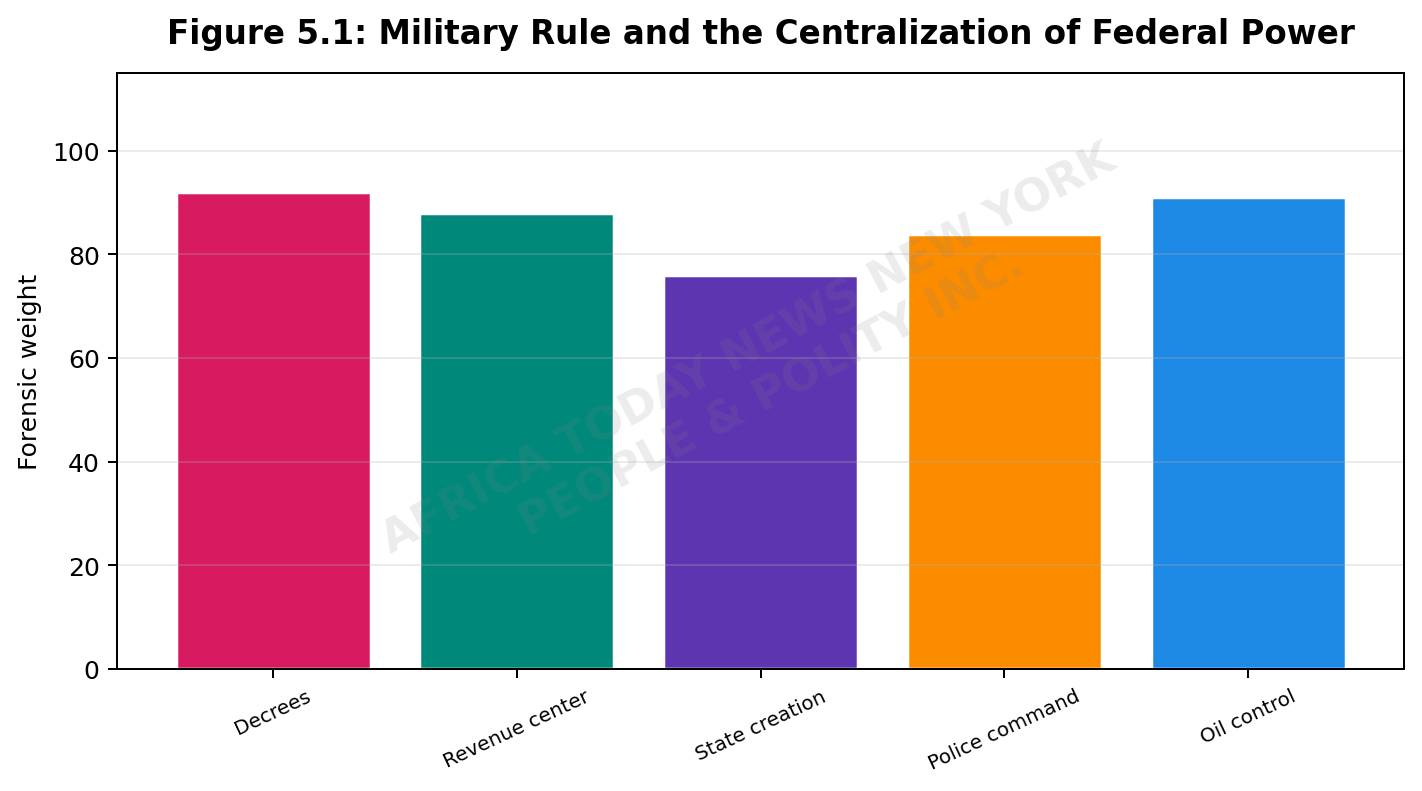
Figure 5.1: Military Rule and the Centralization of Federal Power.
Forensic visualization by People & Polity Inc.; interpretive scale derived from documentary analysis, not official data.
State creation is often remembered as inclusion, but it also weakened the old regional blocs and tied newly created units more tightly to the center. Some minorities gained recognition and relief from domination by larger regional powers; that point should not be dismissed. Yet the method mattered. States were not produced through a free constitutional convention among peoples. They were created by military authority. The center gave units their boundaries, names, allocations, and legal life. That made subnational government dependent on the hand that created it.
Oil transformed the soldiers’ centralizing instinct into a fiscal weapon. As petroleum became the dominant source of national revenue, control over the center became control over the main prize. The military state had both the command culture and the mineral income to remake federalism. Revenue formulas shifted. Derivation weakened. The center grew. Regions lost productive pressure. Panter-Brick’s edited work on soldiers and oil captures the political transformation that followed the fusion of military rule and petroleum power (Panter-Brick, 1978). From that point, federalism began to look less like shared sovereignty and more like centralized distribution.
Read also: Nigeria: The Slave Name And The Restructuring Verdict — Part 3
Barracks federalism also changed political imagination. Instead of asking how each region could build wealth from its own strengths, the country learned to ask how many states should be created and how the federal cake should be shared. That phrase, “national cake,” is one of the most destructive metaphors in Nigerian public life. A cake is baked before it is shared. Nigeria’s political class mastered sharing without production. Military rule helped normalize that habit by weakening fiscal responsibility and expanding dependency on federally collected revenue.
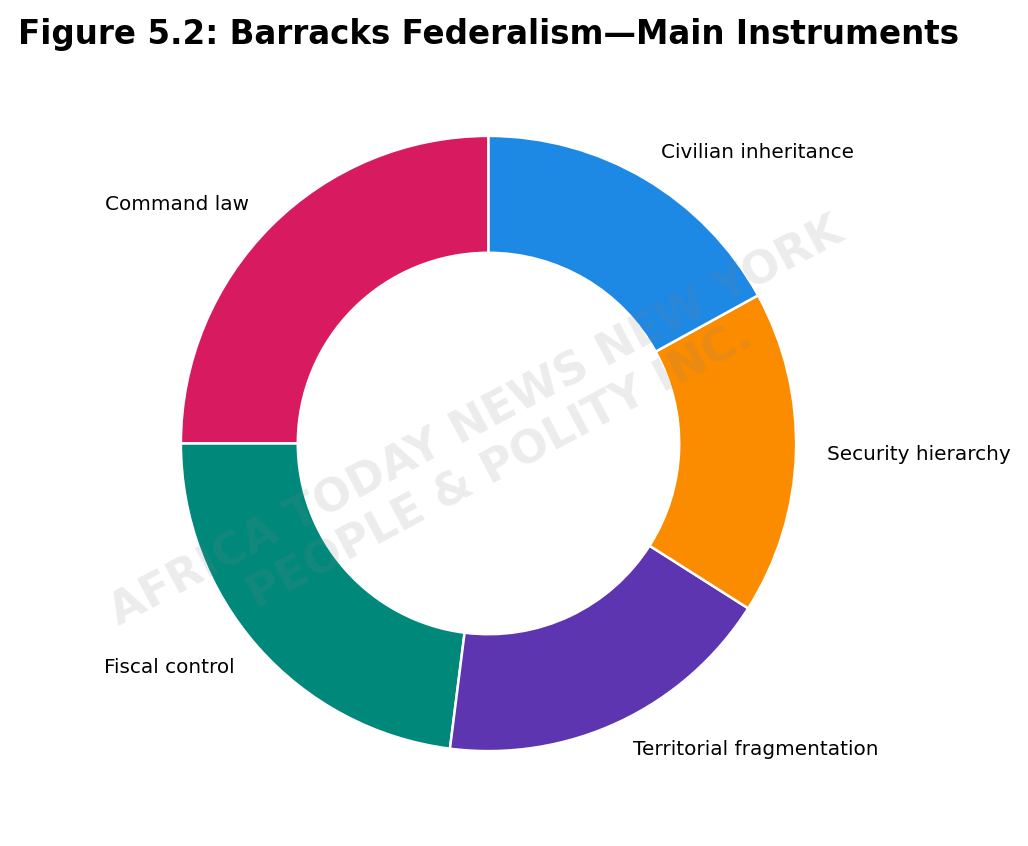
Figure 5.2: Barracks Federalism—Main Instruments.
Forensic visualization by People & Polity Inc.; interpretive scale derived from documentary analysis, not official data.
Dudley’s account of instability and political order explains why the early republic became vulnerable, but the soldiers’ cure created a deeper illness (Dudley, 1973). Crisis did not justify permanent command. Yet military governments repeatedly treated Nigeria as a security problem to be administered from the top. Decrees could create states, abolish regions, alter revenue, detain opponents, restructure local government, and prepare constitutions. Consent became ceremonial. The social contract became paperwork issued downward.
Civilian politicians later inherited that arrangement and learned to profit from it. The tragedy of military rule is not only what soldiers did while in uniform. It is what the civilian class accepted after they left. Many politicians who condemn coups still enjoy the centralization that coups built. They speak of democracy while defending a fiscal and administrative system that keeps the center as landlord and the states as tenants. The barracks did not disappear; its habits migrated into civilian governance.
The multiplication of states and local governments created another layer of dependence. In principle, smaller units could bring government closer to citizens. In practice, many became channels for salary payment, allocation sharing, elite bargaining, and federal patronage. State capitals reproduced Abuja’s habits on a smaller scale. Local governments, instead of becoming centers of grassroots democracy, were repeatedly captured by governors and party structures. Military federalism had fragmented territory without securing genuine autonomy.
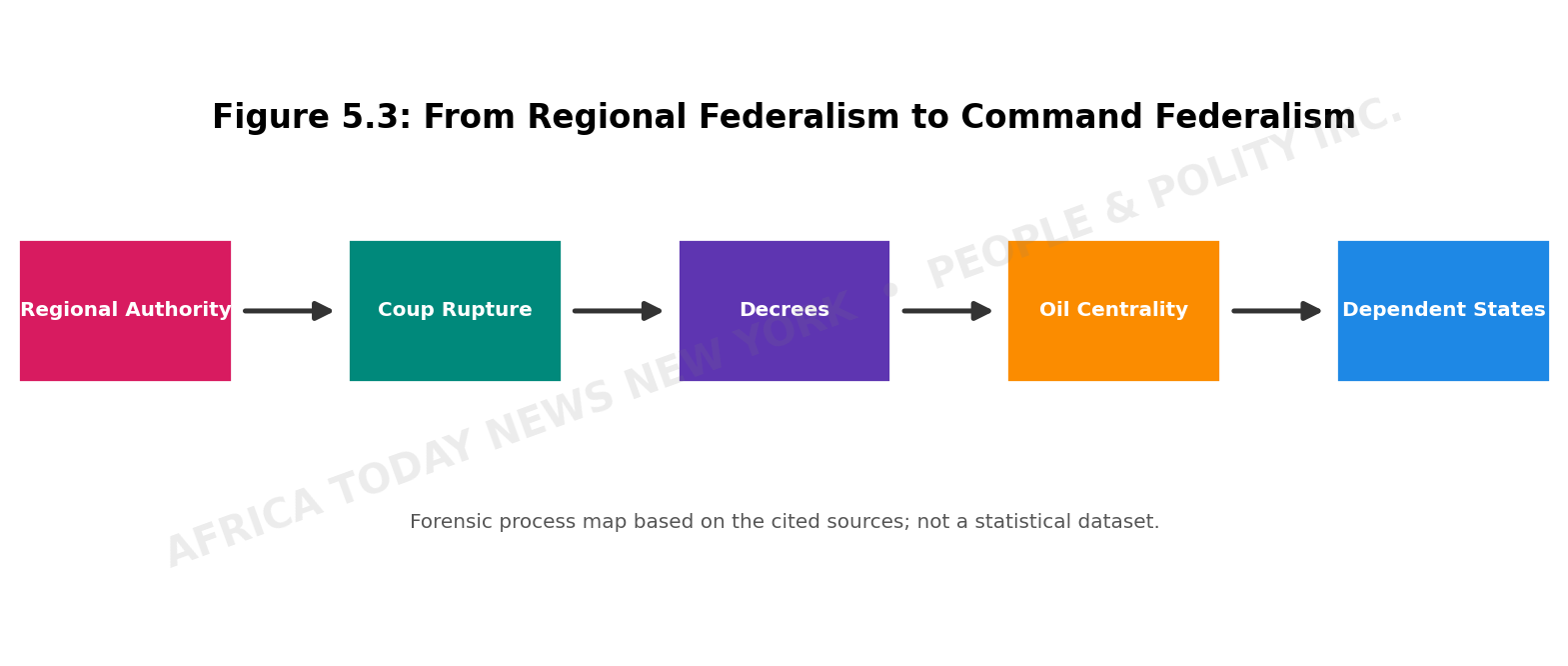
Figure 5.3: From Regional Federalism to Command Federalism.
Forensic visualization by People & Polity Inc.; interpretive scale derived from documentary analysis, not official data.
Civil-military scholarship on Nigeria shows that the uniformed years trained the political order in command, secrecy, coercion, and centralized authority (Adekson, 1981; Siollun, 2009). Those habits did not end with transition programs. They survived in security votes, opaque procurement, federal dominance, emergency rhetoric, and the constant use of national unity as a reason to delay devolution. Nigeria’s democratic costume has never fully concealed the barracks beneath it.
A proper federation requires suspicion of concentrated power. Nigeria’s military inheritance did the opposite. It taught the country to fear local autonomy more than federal overreach. It taught leaders that regional power was dangerous while central power was patriotic. That inversion remains one of the great frauds of postcolonial Nigeria. A country of many peoples was told that decentralization threatens unity, while the centralization that fuels resentment is defended as nationhood.
Part 5 treats military rule as a constitutional crime scene. Not because every soldier acted from the same motive, and not because civilians were innocent, but because the military period rewired the state against negotiated federalism. It broke the old regional frame, centralized revenue, normalized decrees, multiplied dependent states, and made Abuja the dispenser of national life. Later constitutions carried this inheritance. Civilian rule did not fully reject it. The Fourth Republic still drinks from the wells dug by command.
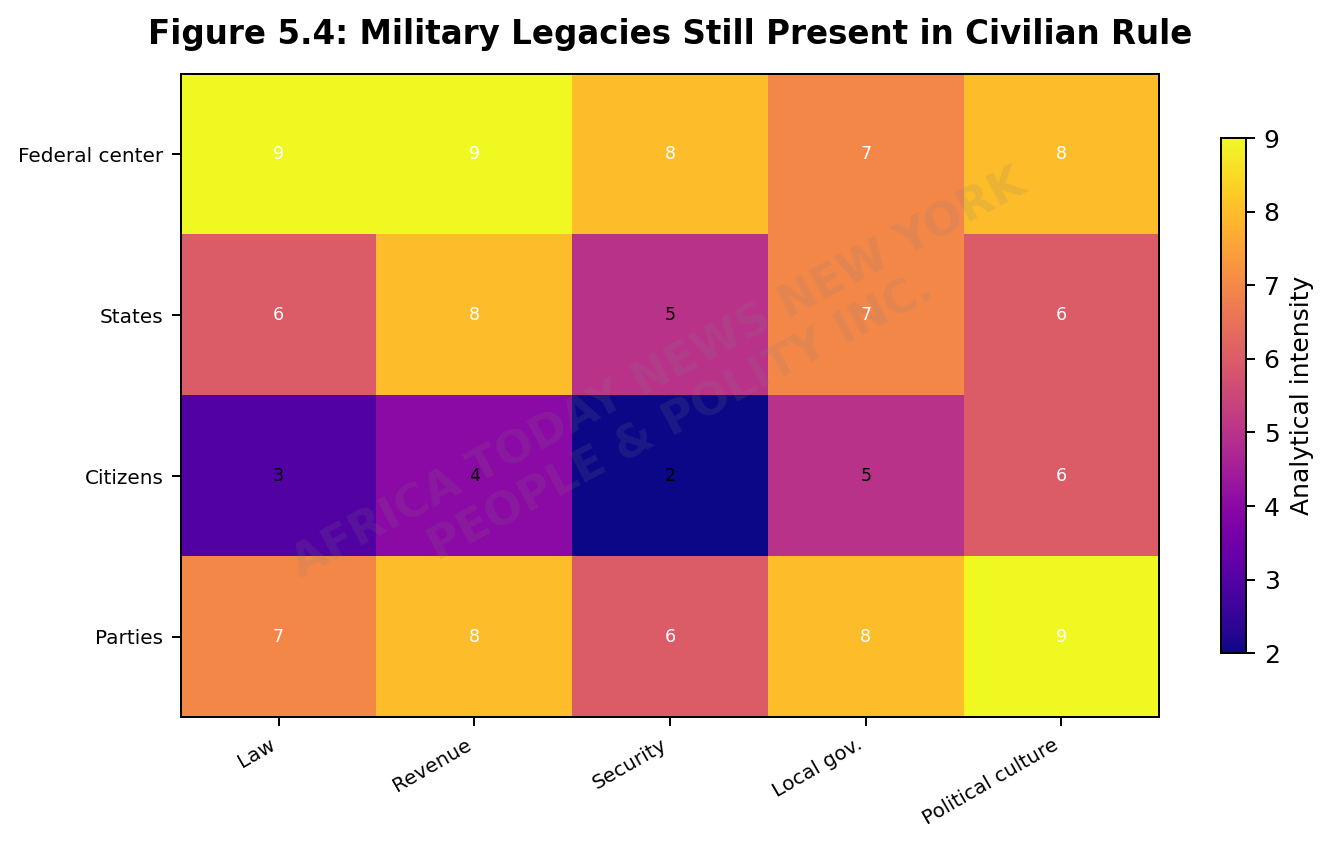
Figure 5.4: Military Legacies Still Present in Civilian Rule.
Forensic visualization by People & Polity Inc.; interpretive scale derived from documentary analysis, not official data.
Restructuring must be understood as demilitarization. It is not enough to hold elections under a barracks-shaped state. The country must remove command logic from revenue, policing, infrastructure, resource control, and local governance. A federation cannot breathe if every vital organ waits for permission from the center. Nigeria’s regions and states must recover the ability to produce, secure, plan, tax, and answer directly to their people.
The closing charge is plain. Military rule did not save Nigeria from disorder. It gave disorder a central command. It did not create unity. It created obedience and called it unity. It did not produce a working federation. It broke the older federal impulse, replaced consent with decree, and handed civilians a republic trained to kneel before Abuja. Until that inheritance is dismantled, Nigeria will keep staging democracy inside a barracks state.
The old regions were not paradise. Minority grievances were real. Party violence was real. Electoral manipulation and census battles poisoned trust. Yet those failures called for a better federal bargain, not the burial of federalism under command. Military rule answered a political illness with institutional amputation. It removed the patient’s limbs and praised the silence that followed as stability.
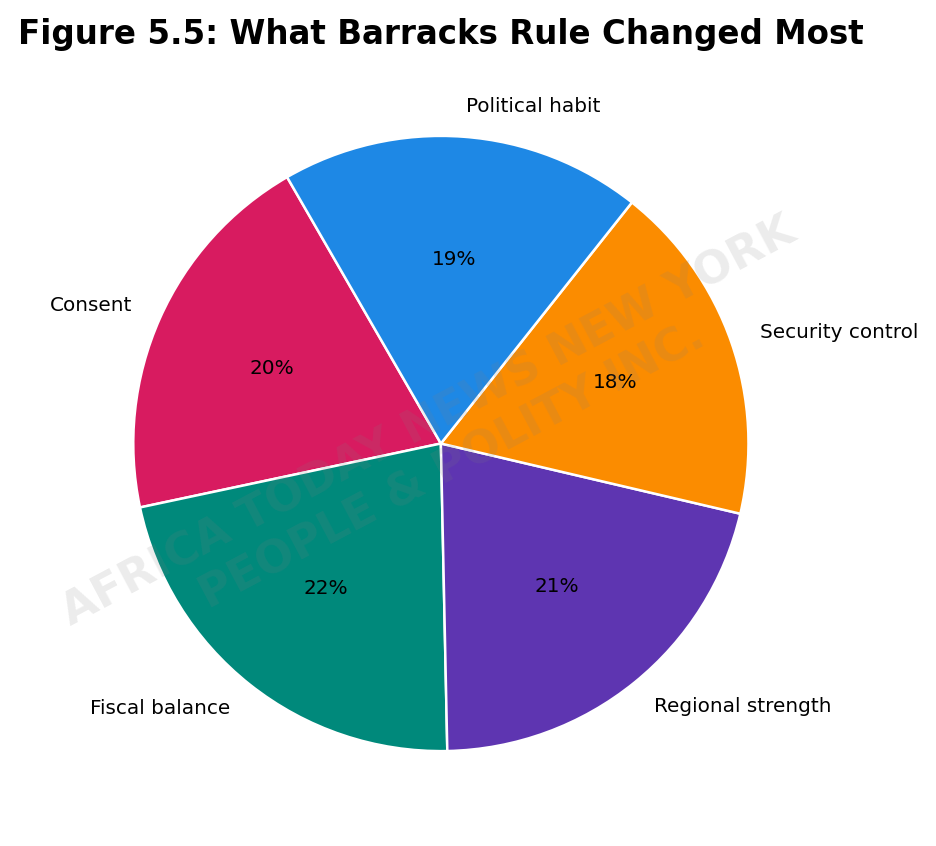
Figure 5.5: What Barracks Rule Changed Most.
Forensic visualization by People & Polity Inc.; interpretive scale derived from documentary analysis, not official data.
Every decree carried a lesson. Law became what power announced. Citizenship became obedience. Public debate became danger. Federalism became whatever the ruler in uniform declared it to be. Even after civilian rule returned, the old reflex survived in the demand that difficult national questions be postponed for the sake of order. That demand is one of the military’s longest shadows. It tells wounded peoples to keep quiet until the center is ready to listen, while the center keeps profiting from their silence.
Seen from this angle, state creation without fiscal depth became a method of managed fragmentation. Communities gained flags, governors, and capitals, but many lost the scale and revenue base required for serious economic power. The center distributed identity while retaining decisive control. That bargain still shapes the federation: recognition without strength, titles without tools, autonomy without enough authority to matter.
That is why barracks federalism must be named without apology. It was not a neutral administrative phase. It was a long transfer of power away from negotiated communities toward decree-making centers. The country still lives with the habits of that transfer: fear of local power, worship of central command, distrust of regional initiative, and a political class that prefers managed dependency to free competition among productive units.
Until that transfer is reversed, civilian rule will remain half-captured by military memory. Ballot boxes cannot erase decree culture when the same central habits still decide money, police, infrastructure, local government, and the limits of regional ambition. Demilitarization must reach the constitution itself, or democracy will remain a ceremony performed on a barracks floor.
That is the unfinished work. Nigeria has removed uniforms from the presidency before; it has not removed the uniformed logic from the state.
Without that work, every democratic transition remains incomplete. The country needs power returned to negotiated communities, not command redistributed through civilian titles.
Evidence Exhibit Table — Part 5
| Claim | Evidence type | Forensic meaning | What it proves |
| Military rule rewired federalism | Civil-military scholarship; constitutional history | Decree culture replaced negotiated consent | The barracks remained inside civilian rule |
| State creation weakened old regions | Political history; military-era studies | Recognition came without deep autonomy | Fragmentation can coexist with central control |
| Oil strengthened central command | Soldiers-and-oil literature | Mineral rent made Abuja the main prize | Fiscal centralization fed dependency |
| Civilian elites inherited command habits | Transition studies | Democracy arrived without full demilitarization | Elections did not dismantle military federalism |
Evidentiary Sources (APA 7th Edition)
Adekson, J. B. (1981). Nigeria in search of a stable civil-military system. Westview Press.
Diamond, L., Kirk-Greene, A., & Oyediran, O. (Eds.). (1997). Transition without end: Nigerian politics and civil society under Babangida. Lynne Rienner Publishers.
Dudley, B. J. (1973). Instability and political order: Politics and crisis in Nigeria. Ibadan University Press.
Dudley, B. J. (1982). An introduction to Nigerian government and politics. Indiana University Press.
Kirk-Greene, A. H. M., & Rimmer, D. (1981). Nigeria since 1970: A political and economic outline. Hodder and Stoughton.
Luckham, R. (1971). The Nigerian military: A sociological analysis of authority and revolt, 1960–67. Cambridge University Press.
Nwabueze, B. O. (1982). A constitutional history of Nigeria. C. Hurst & Co.
Osaghae, E. E. (1998). Crippled giant: Nigeria since independence. Indiana University Press.
Oyediran, O. (Ed.). (1979). Nigerian government and politics under military rule, 1966–1979. Macmillan Nigeria.
Panter-Brick, S. K. (Ed.). (1978). Soldiers and oil: The political transformation of Nigeria. Frank Cass.
Siollun, M. (2009). Oil, politics and violence: Nigeria’s military coup culture, 1966–1976. Algora Publishing.
Siollun, M. (2013). Soldiers of fortune: Nigerian politics under Buhari and Babangida, 1983–1993. Cassava Republic Press.