
JURISDICTIONAL NOTICE
STATUS: U.S. First Amendment Protected.
Any attempt by the Nigerian State or its proxies to suppress, threaten, hack, intimidate, or interfere with this publication will be documented, preserved as evidence, and reported to the FBI, U.S. Department of Justice, and relevant federal authorities.
♦♦♦♦♦♦♦♦♦♦♦♦♦♦♦♦♦♦♦♦♦♦♦♦♦♦♦♦♦♦♦♦♦♦♦♦♦♦♦♦♦♦♦♦♦♦♦♦♦♦♦♦
A forensic dissection of Flora Shaw’s colonial label, Decree No. 24, and the militarized elite cartel that turned Nigeria into a republic no president can redeem without restructuring.
Decree No. 24: The Fraud Behind “We the People”
A forensic reading of Decree No. 24 and the constitutional fiction that calls military authorship the will of the people.
The most important words in the 1999 Constitution may be the least honest words in the document: “We the people.” They appear with the solemn confidence of popular sovereignty, as if Nigerians gathered in freedom, debated their common future, and gave themselves a supreme law. The record says otherwise. The 1999 Constitution came into force through the Constitution of the Federal Republic of Nigeria (Promulgation) Decree No. 24 of 1999, issued by the departing military government. That is not a footnote. It is the central legal wound of the Fourth Republic.
A constitution is not ordinary legislation. It is the supreme public agreement by which a people authorizes power, limits government, distributes authority, protects rights, and defines the political home. Its legitimacy depends not only on text, but on origin. A document can contain noble phrases and still carry a poisoned source. When a military regime gives a country a constitution and the preamble claims the people gave it to themselves, the republic begins with an official contradiction. That contradiction has governed Nigeria since May 29, 1999.
Decree No. 24 matters because it exposes the difference between transition and consent. The military wanted to leave office under pressure from history, domestic agitation, international scrutiny, and the exhaustion of dictatorship. A handover was necessary. Yet handover is not constitution-making. A departing regime cannot transform command into popular authorship by inserting the phrase “We the people.” That phrase belongs to a sovereign act. In Nigeria’s case, it was placed over a document promulgated from above.
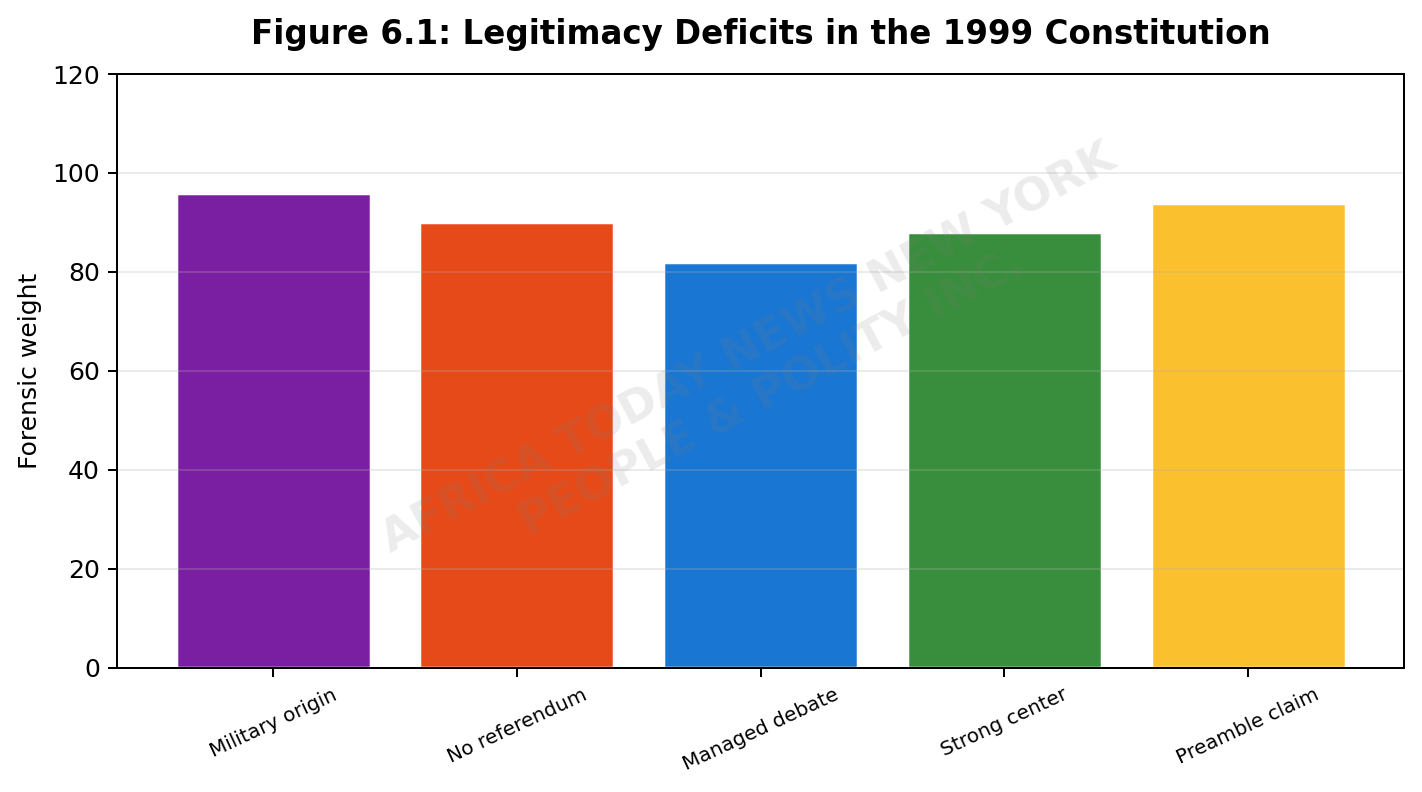
Figure 6.1: Legitimacy Deficits in the 1999 Constitution.
Forensic visualization by People & Polity Inc.; interpretive scale derived from documentary analysis, not official data.
Ihonvbere’s study of Nigeria’s undemocratic constitution-making remains one of the sharpest scholarly accounts of the problem. He argues that the 1999 process lacked the participatory depth required for a democratic constitution (Ihonvbere, 2000). Arowosegbe’s later work revisits the legitimacy question and confirms that the origins of the 1999 Constitution remain a live constitutional wound, not an academic quarrel (Arowosegbe, 2022). The issue is not whether Nigeria needed a transition document. The issue is whether a transition document should be treated as sacred national consent.
The Constitution Debate Co-ordinating Committee received memoranda and produced a report, but that process did not amount to a referendum or a sovereign constituent assembly. The people did not approve the final text. Many Nigerians did not see the document before the new civilian order began. The military government controlled the process, timing, selection, and final promulgation. The result was a constitution that borrowed the language of democracy while carrying the authority of decree.
Read also: Nigeria: The Slave Name And The Restructuring Verdict — Part 5
Such origin affects substance. The 1999 Constitution preserved a powerful center, a long Exclusive Legislative List, centralized policing, federal control over mineral resources, and a fiscal system that tied states to federally collected revenue. These were not accidental features floating in the text. They reflected the centralizing habits of the order that produced the document. A military state leaving power did not hand over a loose federation. It handed over civilian rule under a command-heavy constitution.
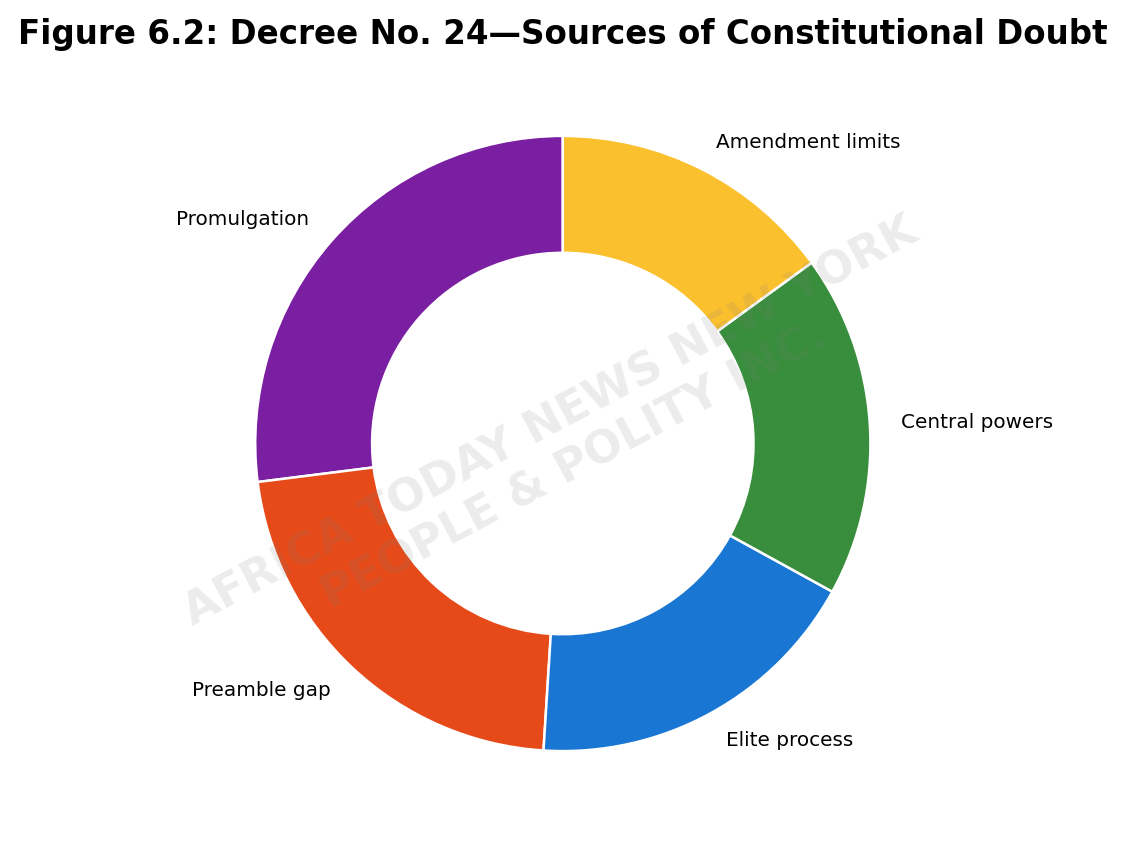
Figure 6.2: Decree No. 24—Sources of Constitutional Doubt.
Forensic visualization by People & Polity Inc.; interpretive scale derived from documentary analysis, not official data.
The preamble functions as legal theatre. It stages the people as authors while history shows them as recipients. No serious republic should fear this sentence: Nigerians did not make the 1999 Constitution in the full sovereign sense. They live under it. They vote under it. Courts interpret it. Governments cite it. But use is not authorship. Endurance is not consent. A people can be governed under a document for decades and still remain entitled to question its birth.
Comparative constitution-making scholarship supports this concern. Elster writes about forces and mechanisms in constitution-making, including the pressures that shape outcomes (Elster, 1995). Ginsburg, Elkins, and Blount show that process matters because constitutions created through broader participation tend to carry stronger claims of legitimacy and endurance (Ginsburg et al., 2009). Nigeria’s process failed that test. The document did not arise from a national moment of free settlement. It came from managed transition.
A constitution with a legitimacy wound can still support courts, rights claims, elections, and institutions. That is why the critique must be precise. The argument is not that every action taken under the 1999 Constitution is void in practical terms. States cannot live by pretending no law exists. The argument is deeper: the supreme law lacks the founding authority it claims, and that defect continues to shape the country’s crisis. It is a juridical fraud in the sense that its preamble makes a claim of popular authorship the making process does not support.
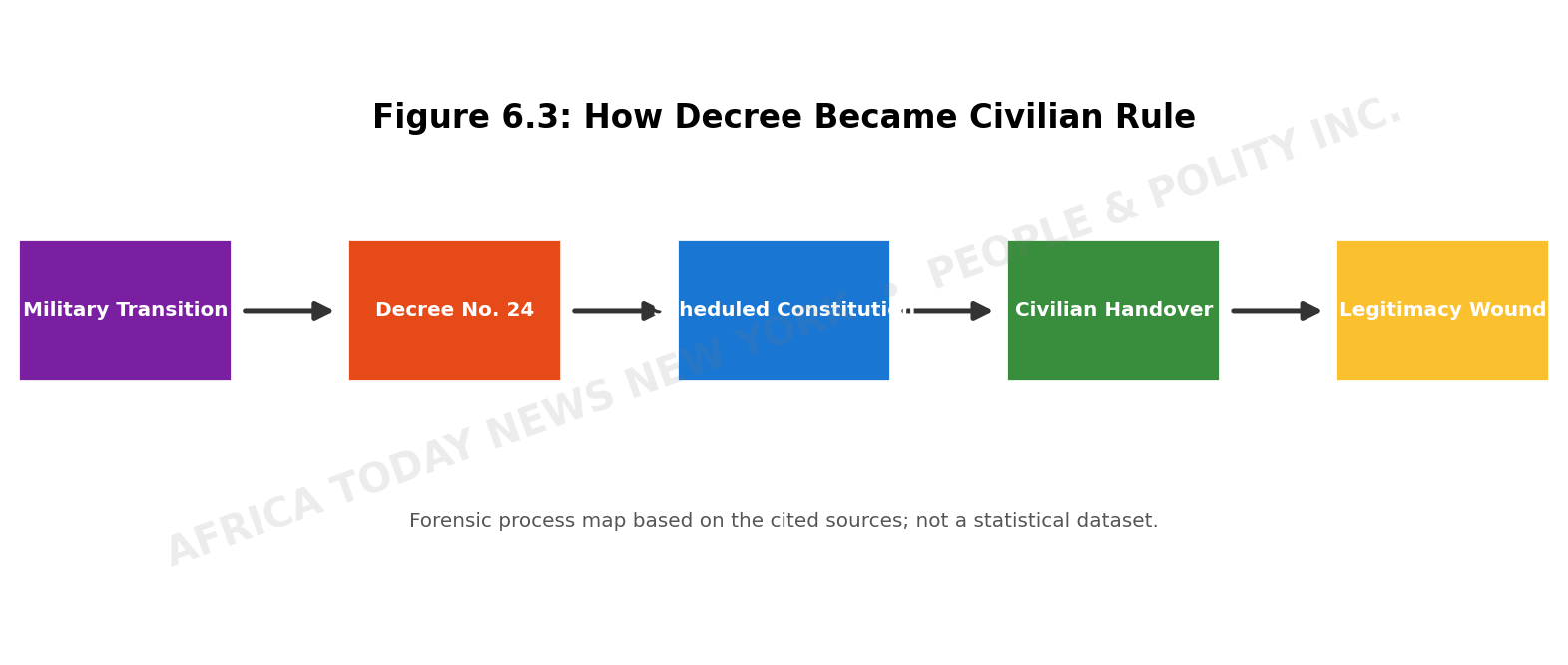
Figure 6.3: How Decree Became Civilian Rule.
Forensic visualization by People & Polity Inc.; interpretive scale derived from documentary analysis, not official data.
Defenders of the status quo often answer that Nigeria has amended the constitution many times. Amendments do not cure origin when the people have never been allowed to decide the foundational question. Changing clauses inside a military-born order is not the same as giving the people a new constitutional settlement. An inherited house may be repainted, repaired, and expanded. Those acts do not answer whether the occupants ever agreed to the deed.
The phrase “We the people” should have forced accountability upward. Instead, it has been used to sanctify a document that keeps power concentrated. Governors complain about federal overreach but benefit from local government capture. Legislators promise amendment but avoid sovereign renegotiation. Presidents swear to defend a constitution that denies them the federal balance needed to govern a plural country with honesty. Courts interpret the text, as they must, but adjudication cannot supply the missing act of national consent.
Part 6 places Decree No. 24 in the dock because it is the gate through which the Fourth Republic entered. Every later argument about restructuring, state police, resource control, fiscal federalism, ports, rail, electricity, local government, and Abuja’s power returns to this gate. The country is trapped not only by bad policy, but by a supreme law whose birth preserved the military state under civilian ceremony.
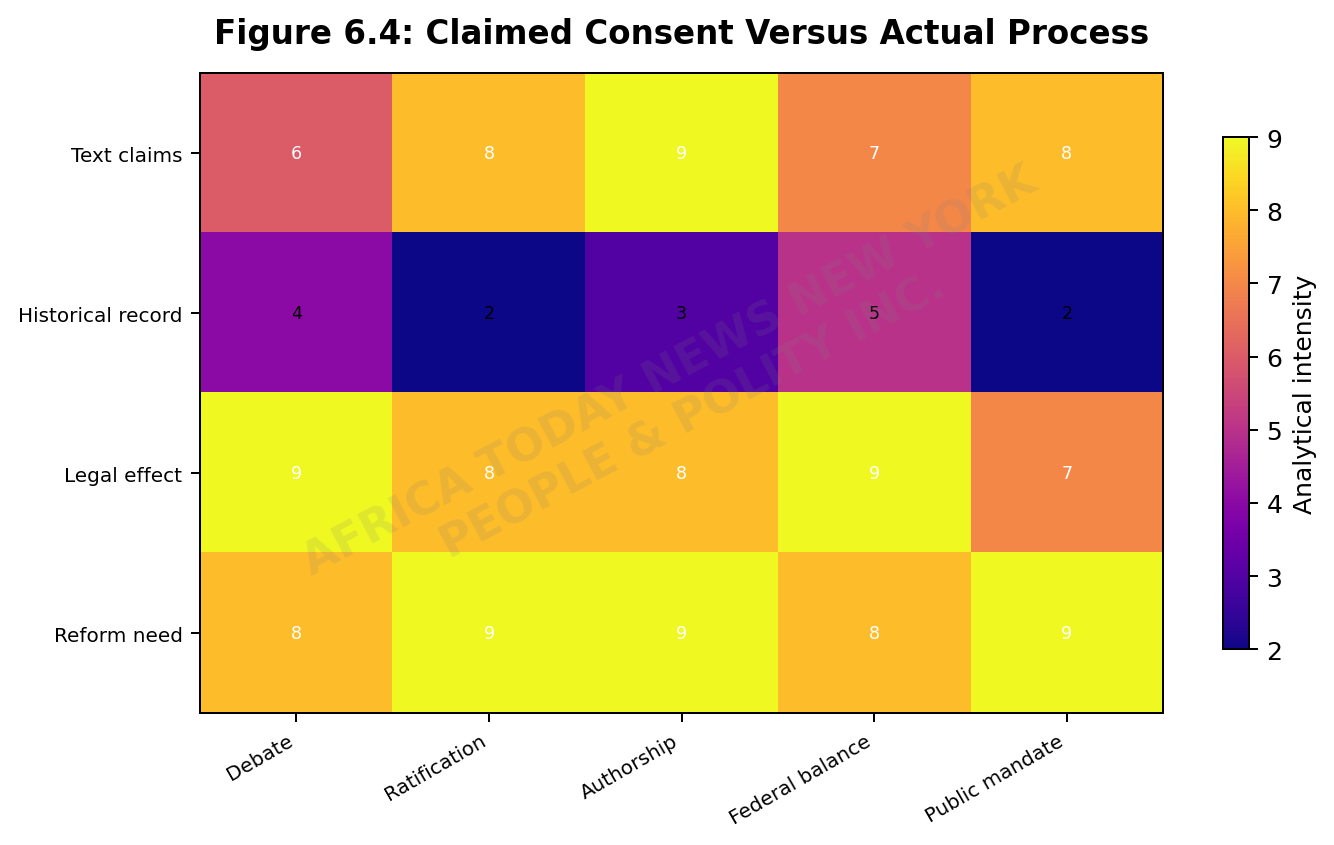
Figure 6.4: Claimed Consent Versus Actual Process.
Forensic visualization by People & Polity Inc.; interpretive scale derived from documentary analysis, not official data.
A true constitution for Nigeria would require open negotiation among its peoples, regions, states, and civic bodies. It would require debate on resource ownership, policing, fiscal powers, regional autonomy, minority protections, citizenship, local government, the role of the center, and the rights of communities. It would require ratification by the people in a manner no soldier, party caucus, or elite committee can counterfeit. The point is not to produce romantic consensus. The point is to give the republic a legitimate argument with itself.
Nigeria’s rulers fear that kind of process because it would expose the hidden beneficiaries of the present arrangement. A real constitutional conference would ask who profits from centralization, who loses from devolution, who depends on allocation, who controls federal monopolies, who benefits from policing delay, and who fears productive regions. Decree No. 24 shielded those questions by handing the country a finished text and demanding obedience.
The closing charge is unavoidable. The 1999 Constitution speaks in the name of the people but entered through military power. It promises democracy while preserving command. It claims authorship it cannot prove. It distributes authority in ways that keep the center bloated and the federation dependent. Nigeria’s Fourth Republic did not begin with a sovereign covenant. It began with a decree wearing civilian clothes. Until that fraud is confronted, every reform remains a tenant inside the military’s final document.
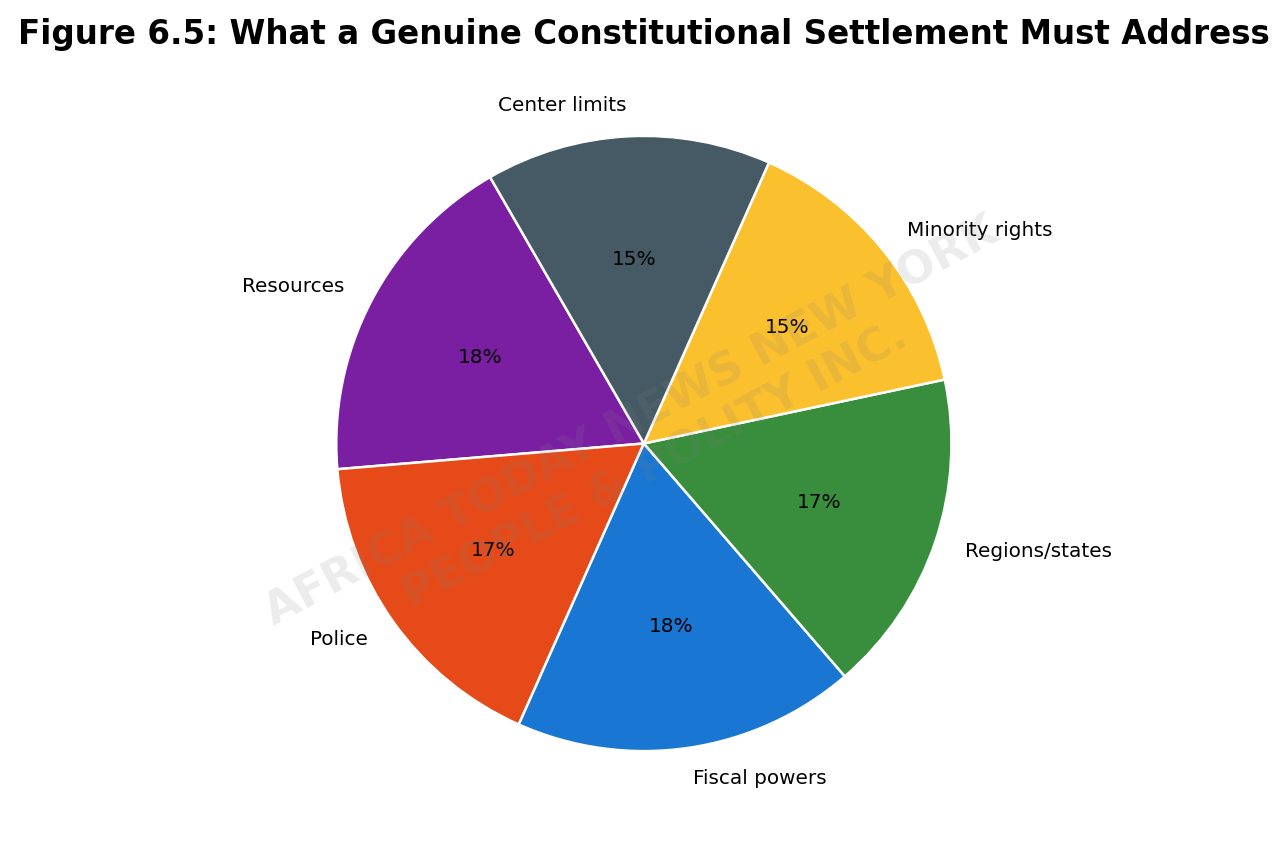
Figure 6.5: What a Genuine Constitutional Settlement Must Address.
Forensic visualization by People & Polity Inc.; interpretive scale derived from documentary analysis, not official data.
The legitimacy wound is especially dangerous because it hides beneath routine. Courts sit. Elections hold. Budgets pass. Presidents swear oaths. Ministers issue regulations. Governors attend ceremonies. The document functions, and because it functions, defenders pretend it was founded properly. That argument confuses operation with legitimacy. A gate can open and close for years and still have been built on stolen land.
Another danger lies in the way the constitution turns reform into managed permission. Those who benefit from the order control the amendment route, the political parties, the legislative bargains, the fiscal incentives, and the language of national unity. The people are told to seek change through a process already guarded by those who fear real change. That is why restructuring cannot be reduced to polite amendment. Nigeria requires a sovereign constitutional conversation powerful enough to examine the deed, not repaint the doors.
A people’s constitution would not fear the people. It would not hide behind transition urgency, elite committees, and controlled debate. It would invite the difficult questions that the current order avoids: who owns resources, who commands police, how should regions tax, what should Abuja control, how should minorities be protected, and what name should the union answer if the peoples ever gather in truth.
No republic should normalize that level of contradiction. Constitutions are supposed to restrain power; Nigeria’s 1999 text began by borrowing the people’s voice to legitimize the final act of military power. That is why the document cannot be treated as untouchable scripture. It is a governing instrument in need of replacement by a genuine federal compact.
The remedy is not chaos. The remedy is authorship. Nigerians must become the makers, not the managed recipients, of the supreme law under which they live.
That is the beginning of real sovereignty.
Evidence Exhibit Table — Part 6
| Claim | Evidence type | Forensic meaning | What it proves |
| 1999 Constitution was promulgated by decree | Primary legal instrument: Decree No. 24 | The preamble’s authorship claim conflicts with origin | The legitimacy wound is documentary |
| No sovereign referendum ratified the text | Constitution-making scholarship | Consultation is not consent | Process matters in constitutional legitimacy |
| Centralized powers reflect military inheritance | Textual analysis of the constitution | The document preserved command-heavy federalism | Substance follows origin |
| Amendments do not cure founding defect | Comparative constitutional theory | Repair inside the same deed is not authorship | Nigeria needs a fresh federal compact |
Evidentiary Sources (APA 7th Edition)
Arowosegbe, J. O. (2022). Revisiting the legitimacy question of the Nigerian 1999 Constitution. Global Constitutionalism, 11(1), 1–28. https://doi.org/10.1017/S2045381721000162
Constitution Debate Co-ordinating Committee. (1999). Presentation of the report of the Nigerian Constitution Debate Co-ordinating Committee. Federal Republic of Nigeria.
Elster, J. (1995). Forces and mechanisms in the constitution-making process. Duke Law Journal, 45(2), 364–396. https://doi.org/10.2307/1372906
Federal Republic of Nigeria. (1963). Constitution of the Federation, 1963. Federal Government Printer.
Federal Republic of Nigeria. (1979). Constitution of the Federal Republic of Nigeria, 1979. Federal Government Printer.
Federal Republic of Nigeria. (1999). Constitution of the Federal Republic of Nigeria, 1999. Federal Government Printer.
Federal Republic of Nigeria. (1999). Constitution of the Federal Republic of Nigeria (Promulgation) Decree No. 24 of 1999. Federal Government Printer.
Ginsburg, T., Elkins, Z., & Blount, J. (2009). Does the process of constitution-making matter? Annual Review of Law and Social Science, 5, 201–223. https://doi.org/10.1146/annurev.lawsocsci.4.110707.172247
Ihonvbere, J. O. (2000). How to make an undemocratic constitution: The Nigerian example. Third World Quarterly, 21(2), 343–366. https://doi.org/10.1080/01436590050004382
Nwabueze, B. O. (1982). A constitutional history of Nigeria. C. Hurst & Co.
Okon, A. O. (2004). Nigeria and a people’s constitution: The imperative of democracy and change. The Constitution, 4(1), 11–36.
Uwais, M. L. (2006). The evolution of constitutionalism in Nigeria: The role of the Supreme Court under the 1979 and 1999 constitutions. Nigerian Institute of Advanced Legal Studies.