
JURISDICTIONAL NOTICE
STATUS: U.S. First Amendment Protected.
Any attempt by the Nigerian State or its proxies to suppress, threaten, hack, intimidate, or interfere with this publication will be documented, preserved as evidence, and reported to the FBI, U.S. Department of Justice, and relevant federal authorities.
♦♦♦♦♦♦♦♦♦♦♦♦♦♦♦♦♦♦♦♦♦♦♦♦♦♦♦♦♦♦♦♦♦♦♦♦♦♦♦♦♦♦♦♦♦♦♦♦♦♦♦♦
A forensic dissection of Flora Shaw’s colonial label, Decree No. 24, and the militarized elite cartel that turned Nigeria into a republic no president can redeem without restructuring.
The Elite Cartel: How the Constitution Funds the Few
A forensic map of the legal incentives that feed Nigeria’s elite cartel while starving federalism of productive power.
Every corrupt republic has scandals. Nigeria has something deeper: a legal order that makes elite extraction routine. The looting of public life does not begin only when money disappears from an account. It begins when the rules of the state are arranged so that access to power becomes more profitable than production, federal connection outweighs local accountability, and public office becomes a gateway to private accumulation. Part 7 examines that arrangement as law-backed cartel behavior.
The 1999 Constitution gives the center decisive authority over the most valuable levers of national life. The Exclusive Legislative List concentrates power in Abuja over minerals, major fiscal instruments, policing, customs, immigration, aviation, major transport powers, and other matters that shape economic possibility. Some national powers are necessary in any federation. Nigeria’s problem is the scale of concentration and the political culture it feeds. When the center controls the vault, the gatekeepers become kings.
Oil is the principal evidence. The politics of resource control in the Niger Delta shows how mineral wealth can produce national revenue while leaving producing communities dispossessed, polluted, militarized, and politically managed (Ejobowah, 2000; Omeje, 2006; Watts, 2004). A federation that centralizes resource ownership and revenue distribution teaches regions to fight over allocation rather than production. It also teaches elites to capture federal institutions instead of building local economies. The law becomes a pipeline through which wealth travels upward before returning as patronage.
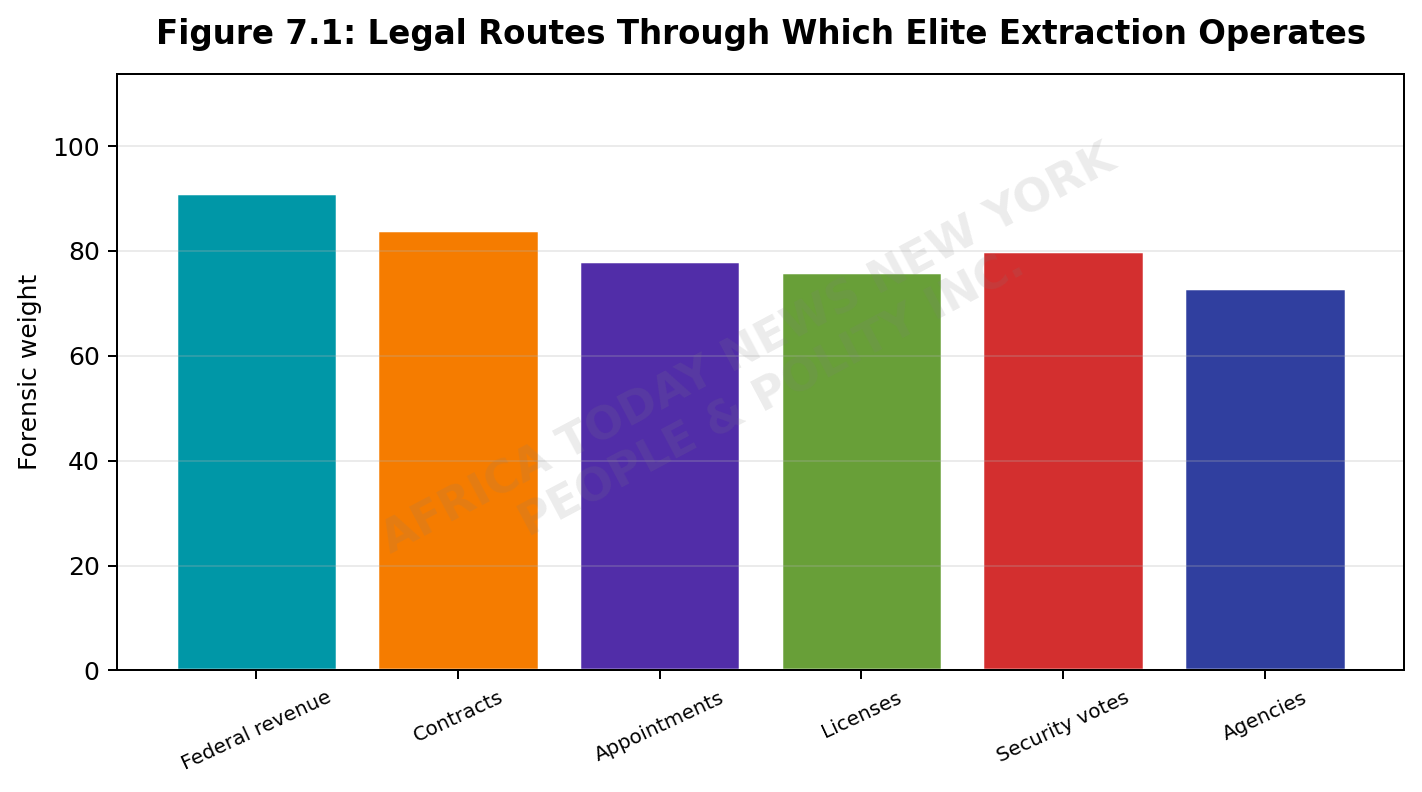
Figure 7.1: Legal Routes Through Which Elite Extraction Operates.
Forensic visualization by People & Polity Inc.; interpretive scale derived from documentary analysis, not official data.
It is not a conspiracy hidden in darkness. It is visible in the ordinary functioning of the state. Federal appointments, revenue formulas, contracts, licensing regimes, subsidies, constituency projects, security allocations, and regulatory discretion create a system in which political access carries enormous economic value. The elite cartel does not always need secrecy. It operates through statutes, budget lines, committees, agencies, procurement procedures, and constitutional powers. Respectability is one of its disguises.
Fiscal federalism should connect government to productivity and accountability. In Nigeria, central revenue collection and sharing have weakened that connection. States receive allocations not principally because they have produced, taxed, innovated, exported, or governed well, but because they are units recognized inside a sharing formula. The result is a dangerous moral economy. Political energy moves toward negotiating distribution, not expanding production. Governors can survive without building a serious tax relationship with citizens. Citizens can suffer without gaining the use that taxation should provide.
Ojo’s work on revenue allocation and resource control captures the federal stability problem created by Nigeria’s fiscal arrangements (Ojo, 2010). Sala-i-Martin and Subramanian’s analysis of the resource curse in Nigeria shows how oil wealth can distort development and governance (Sala-i-Martin & Subramanian, 2013). Ross’s broader work on petroleum wealth provides the comparative warning: oil can shape states by weakening accountability, feeding patronage, and altering the relationship between citizens and rulers (Ross, 2012). Nigeria is not poor because it lacks resources. It is poor because the rules around resources enrich power while undercutting productive citizenship.
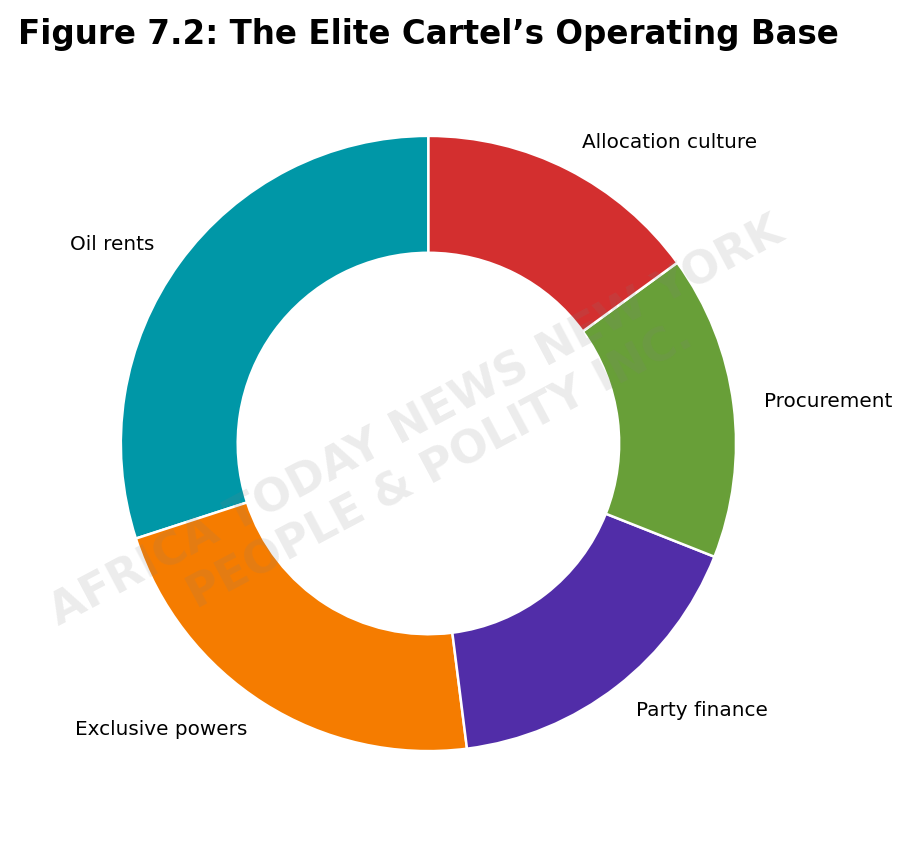
Figure 7.2: The Elite Cartel’s Operating Base.
Forensic visualization by People & Polity Inc.; interpretive scale derived from documentary analysis, not official data.
The elite cartel is not limited to one party, region, generation, or administration. That is why changing presidents cannot break it. The cartel is a class arrangement. It includes politicians, contractors, retired security figures, senior bureaucratic networks, party financiers, state-level power brokers, rent-seeking intermediaries, and professional operators who understand how public money moves. They fight in public, settle in private, defect across parties, and reunite around budgets. Their unity is not ideological. It is material.
Constitutional centralization gives this class a permanent target: Abuja. Every election becomes a struggle over federal capture because federal capture gives access to national rents. State elections follow the same logic at a smaller scale. Local government funds are fought over not because local democracy is strong, but because even weak institutions can carry money. The citizen is left with slogans. The insider gets the route map.
Karl’s account of petro-states helps explain the Nigerian pattern. Oil wealth does not simply add money to a weak state; it changes the state’s habits (Karl, 1997). It allows rulers to spend without taxing broadly, to buy loyalty, to delay reform, and to centralize distribution. In Nigeria, those habits have fused with military inheritance and constitutional design. The result is a republic where production is praised in speeches and punished by incentives.
Read also: Nigeria: The Slave Name And The Restructuring Verdict — Part 6
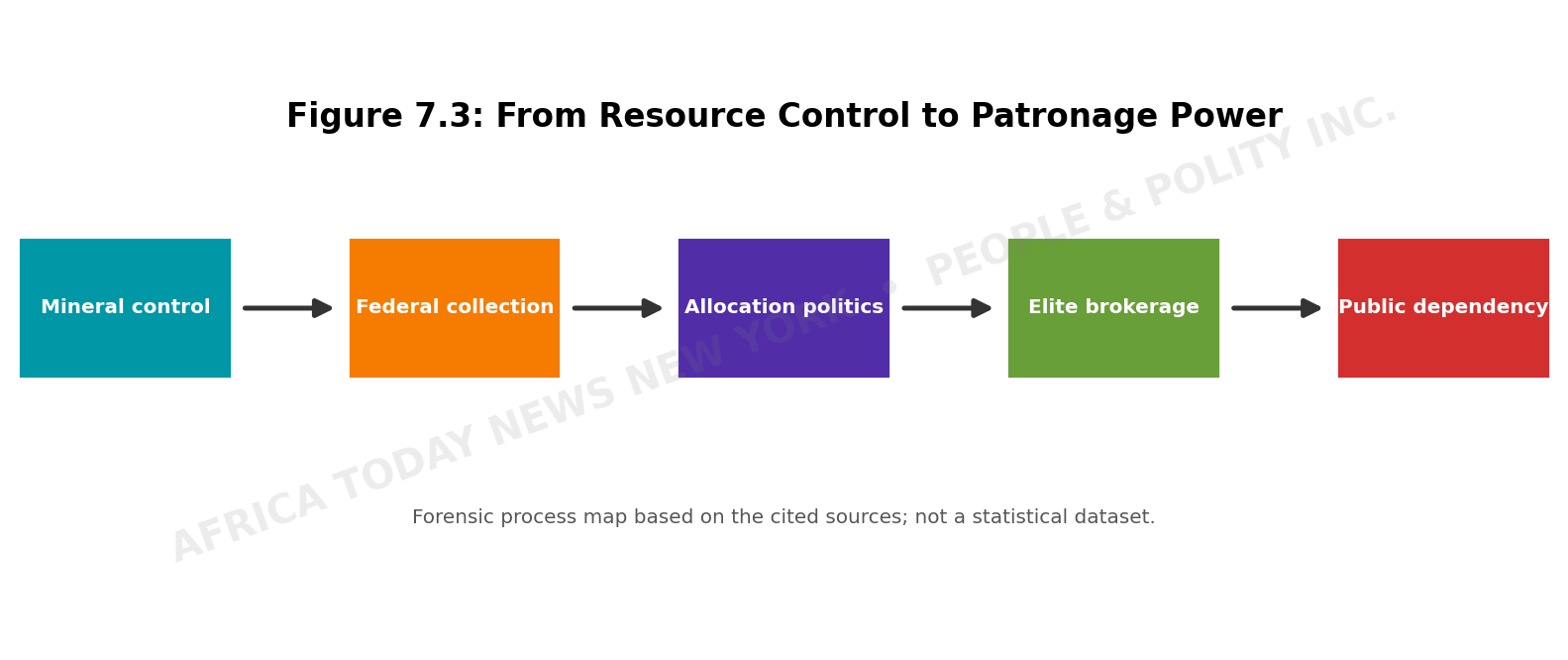
Figure 7.3: From Resource Control to Patronage Power.
Forensic visualization by People & Polity Inc.; interpretive scale derived from documentary analysis, not official data.
One of the cruelest features of the cartel is that it speaks the language of unity. Centralization is defended as national cohesion. Resource control is attacked as selfishness. State police is treated as danger. Regional autonomy is framed as disloyalty. Yet the same actors who invoke unity live from a structure that keeps ordinary citizens poor, insecure, and dependent. Unity becomes the moral costume worn by extraction. The people are told to sacrifice for the nation while elites privatize the nation’s benefits.
The Exclusive List deserves forensic attention because it reveals how law can choke possibility without looking violent. A state may want to build a deep industrial corridor, regulate energy around local needs, develop transport routes, secure communities, or plan mineral-linked economies, only to discover that decisive permissions sit elsewhere. Even when reforms open small doors, the culture of central approval remains. Federalism becomes a document. Dependence becomes daily life.
Part 7 rejects the shallow view that corruption is only theft. Theft is the visible wound. The deeper injury is a constitution and revenue order that make public power the main economic prize. That is why anti-corruption campaigns keep failing. You cannot police a cartel while preserving the rules that feed it. You cannot jail a few thieves and call the vault honest. You cannot preach sacrifice to citizens while leaving intact the arrangements that make government a feast for insiders.
Read also: Nigeria: The Slave Name And The Restructuring Verdict — Part 5
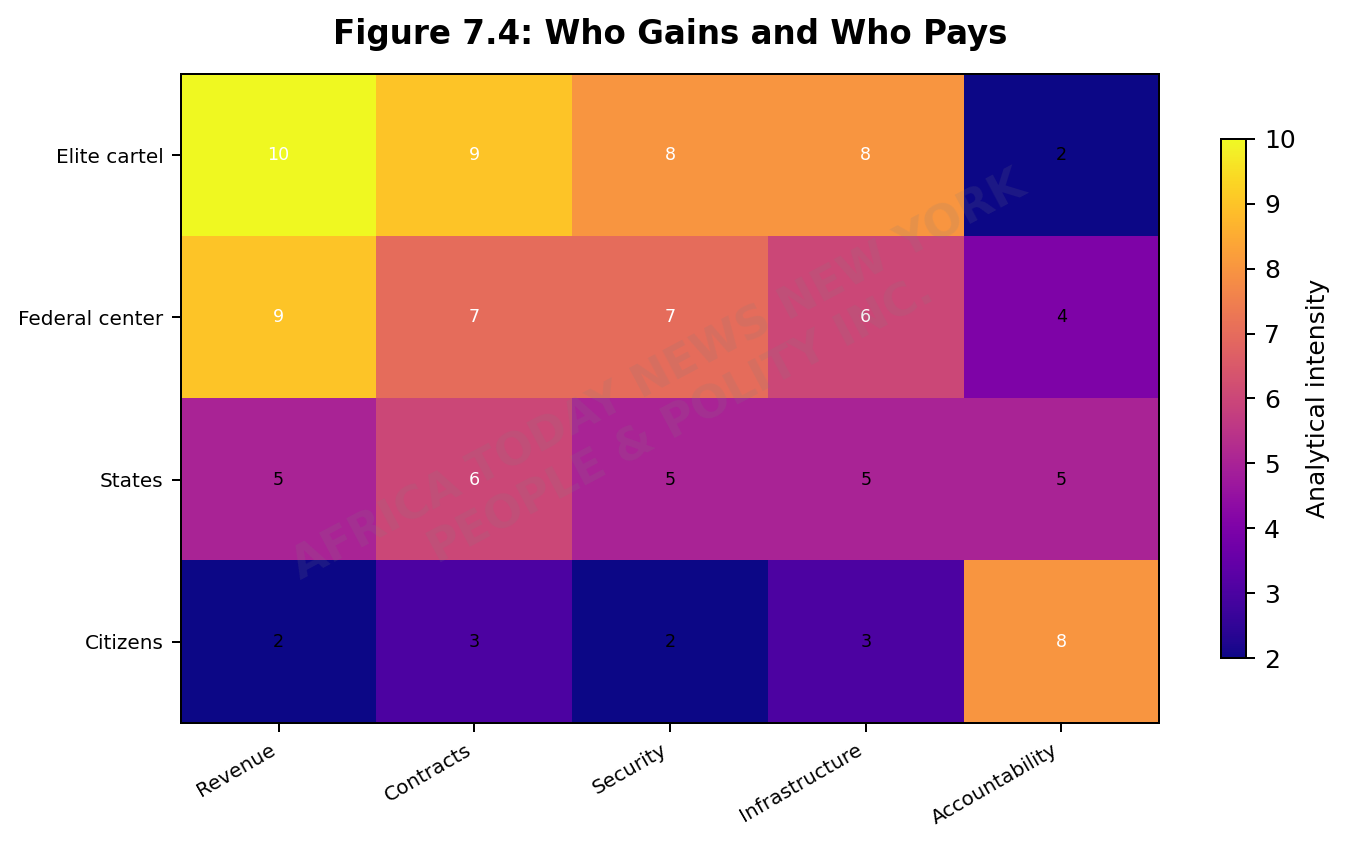
Figure 7.4: Who Gains and Who Pays.
Forensic visualization by People & Polity Inc.; interpretive scale derived from documentary analysis, not official data.
Restructuring would threaten the cartel because it would move responsibility closer to citizens. States that control more resources would face greater pressure to perform. Regions with fiscal autonomy would have to compete. Governments dependent on local taxation would have to answer to local taxpayers. Security failure would have clearer lines of responsibility. Infrastructure delay would be harder to blame on distant ministries. Abuja would lose its power to distribute dependency as loyalty.
That is why resistance to restructuring is not only ideological. It is economic. Many elites know that a true federation would expose lazy states, weaken allocation politics, reduce federal patronage, and force production. It would also reveal which leaders have been hiding behind the center’s dysfunction. The present system protects incompetence by spreading blame so widely that accountability disappears.
The closing charge is severe. Nigeria’s elite cartel does not survive by accident. It is protected by a constitution that centralizes power, a revenue system that rewards dependency, and a political culture that treats access as industry. The poor are told to be patient. The regions are told to wait. Producing communities are told to sacrifice. Reformers are told to be realistic. Meanwhile the cartel eats through law, budget, contracts, allocation, monopoly, and delay. A republic arranged this way cannot be redeemed by moral lectures. It must be restructured until extraction loses its legal throne.
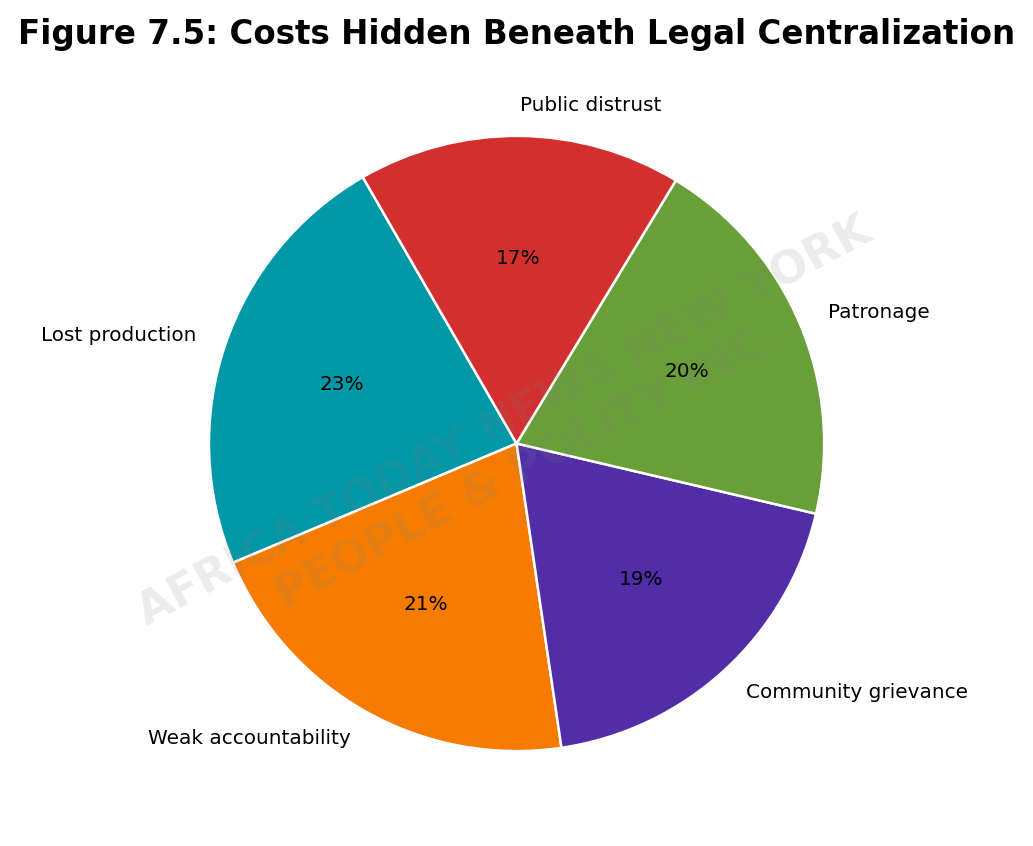
Figure 7.5: Costs Hidden Beneath Legal Centralization.
Forensic visualization by People & Polity Inc.; interpretive scale derived from documentary analysis, not official data.
Cartels survive by making their privileges appear normal. Nigeria’s ruling class has mastered that art. A senator’s allowance becomes procedure. A governor’s security vote becomes necessity. A minister’s discretionary power becomes policy. A federal agency’s monopoly becomes national interest. A contract inflated through layers of insiders becomes development. Each act may appear separate; together they form a protected economy of public extraction.
Ordinary Nigerians encounter the cartel not as theory but as price. The road not built raises transport costs. The power not supplied kills a business. The police not locally accountable leaves a village exposed. The port delay raises the price of imported goods. The allocation culture weakens local enterprise. The cartel’s profit is paid in daily life by citizens who may never meet the men who benefit from it. That is why the constitutional question is not abstract. It is the hidden hand inside hunger, unemployment, insecurity, and despair.
A cartel of this kind does not collapse because citizens complain. It collapses when the revenue route changes. True restructuring would cut the oxygen line by forcing governments to earn, justify, and defend their income before their own people. That is why the argument returns always to power. Whoever controls revenue controls obedience. Whoever controls obedience controls the republic.
The victims of this order are not only the poor in the ordinary sense. Productive citizens are victims as well: the manufacturer who cannot rely on power, the farmer blocked by insecurity, the trader trapped by port inefficiency, the professional paying taxes into a state that delivers little, the young graduate watching politics reward proximity while enterprise carries punishment. The cartel steals possibility before it steals money.
Once possibility is stolen, elections become poor compensation. Citizens are offered new managers for a system that keeps the richest opportunities fenced behind public office. That is why restructuring must attack the legal routes of extraction, not only the thieves who travel them.
Evidence Exhibit Table — Part 7
| Claim | Evidence type | Forensic meaning | What it proves |
| Legal centralization feeds elite extraction | Constitution; fiscal laws; oil scholarship | Access to Abuja becomes economic power | The cartel is law-enabled |
| Oil rents weaken accountability | Resource curse literature | Government can spend without taxing citizens broadly | Dependency replaces productive pressure |
| Exclusive powers choke subnational ambition | Constitutional federalism analysis | States lack full tools for local production | Central power creates structural dependency |
| Restructuring threatens cartel income | Political economy of rent-seeking | Devolution changes who controls revenue | Resistance is material, not just ideological |
Evidentiary Sources (APA 7th Edition)
Allocation of Revenue (Federation Account, etc.) Act, Cap. A15, Laws of the Federation of Nigeria 2004.
Ejobowah, J. B. (2000). Who owns the oil? The politics of ethnicity in the Niger Delta of Nigeria. Africa Today, 47(1), 29–47.
Elaigwu, J. I. (2007). The politics of federalism in Nigeria. Aha Publishing House.
Federal Republic of Nigeria. (1999). Constitution of the Federal Republic of Nigeria, 1999. Federal Government Printer.
Karl, T. L. (1997). The paradox of plenty: Oil booms and petro-states. University of California Press.
Lewis, P. M. (2007). Growing apart: Oil, politics, and economic change in Indonesia and Nigeria. University of Michigan Press.
Ojo, E. O. (2010). The politics of revenue allocation and resource control in Nigeria: Implications for federal stability. Federal Governance, 7(1), 15–38. https://doi.org/10.24908/fg.v7i1.4387
Omeje, K. (2006). High stakes and stakeholders: Oil conflict and security in Nigeria. Ashgate.
Revenue Mobilisation, Allocation and Fiscal Commission Act, Cap. R7, Laws of the Federation of Nigeria 2004.
Ross, M. L. (2012). The oil curse: How petroleum wealth shapes the development of nations. Princeton University Press.
Sala-i-Martin, X., & Subramanian, A. (2013). Addressing the natural resource curse: An illustration from Nigeria. Journal of African Economies, 22(4), 570–615. https://doi.org/10.1093/jae/ejs033
Watts, M. (2004). Resource curse? Governmentality, oil and power in the Niger Delta, Nigeria. Geopolitics, 9(1), 50–80. https://doi.org/10.1080/14650040412331307832