
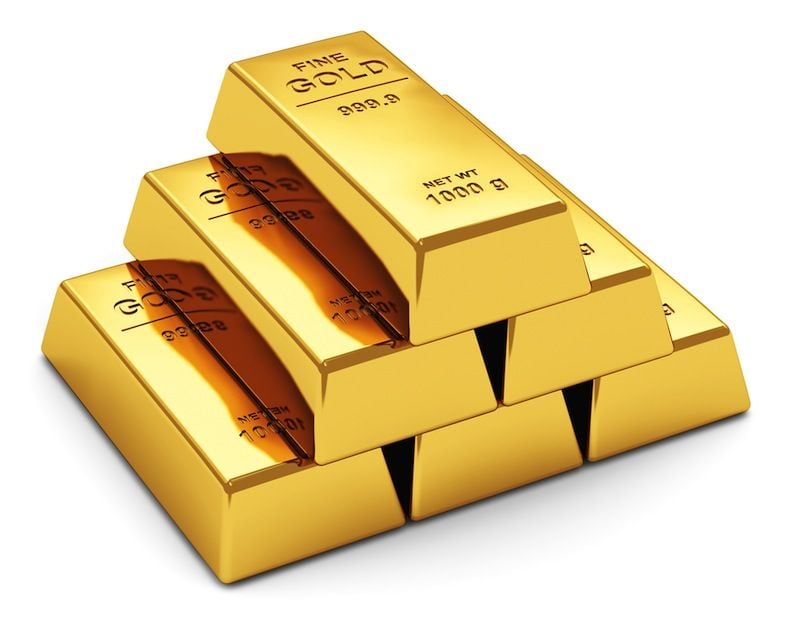
Collections hit ₦58.6 billion in 10 months, surpassing full-year 2024 earnings as reforms, enforcement, and global demand lift Nigeria’s mining sector.
Revenue from Nigeria’s solid minerals sector surged sharply in 2025, signaling renewed momentum in a long-neglected segment of Africa’s largest economy.
Official figures show that collections paid into the Federation Account reached ₦58.64 billion between January and October 2025, already exceeding the total generated in the whole of 2024. The performance represents a year-on-year increase of more than 54%, highlighting the impact of policy reforms and tighter regulation across the mining value chain.
The solid minerals sector, which includes gold, limestone, lead, zinc, lithium, and other strategic resources, has historically contributed only a marginal share to Nigeria’s public revenue, despite the country’s vast geological endowment. Oil and gas have long dominated government earnings, leaving mining underdeveloped and poorly regulated.
Officials familiar with the data say the sharp rise reflects improved royalty collection, better licensing compliance, and stronger monitoring of artisanal and small-scale mining operations. The federal government has intensified efforts to curb illegal mining and revenue leakages, while encouraging formal participation by domestic and foreign investors.
The 2025 revenue haul has already surpassed the full-year 2024 collection, a milestone that analysts say underscores growing confidence in the sector. Industry observers also point to rising global demand for critical minerals used in energy transition technologies as a key driver.
Read Also: NEITI Endorses FG’s Revocation Of 1,263 Mining Licenses
Nigeria has sought to position itself as a supplier of battery minerals, including lithium, amid global competition to secure inputs for electric vehicles and renewable energy storage. Several new mining licenses and processing initiatives were approved over the past year, helping to expand taxable activity.
Government officials have repeatedly stressed that boosting solid minerals revenue is central to Nigeria’s strategy to diversify away from crude oil dependence. Volatility in global oil prices and repeated disruptions to oil production have exposed the risks of overreliance on hydrocarbons.
Beyond revenue, authorities argue that a stronger mining sector could generate jobs, attract foreign exchange, and stimulate development in rural communities where mineral deposits are concentrated. However, concerns remain over environmental degradation, community displacement, and weak enforcement in some mining areas.
Economists caution that sustaining the revenue gains will depend on consistent policy implementation, transparent licensing processes, and investment in geological data and infrastructure. They also emphasize the need for stronger collaboration between federal and state governments to manage resource control disputes and ensure host communities benefit from mining activity.
Although this is the last month of the fiscal year, revenue from solid minerals is still expected to climb further, potentially setting a new annual record. For a sector long seen as Nigeria’s sleeping giant, the 2025 figures suggest it may finally be stirring.