
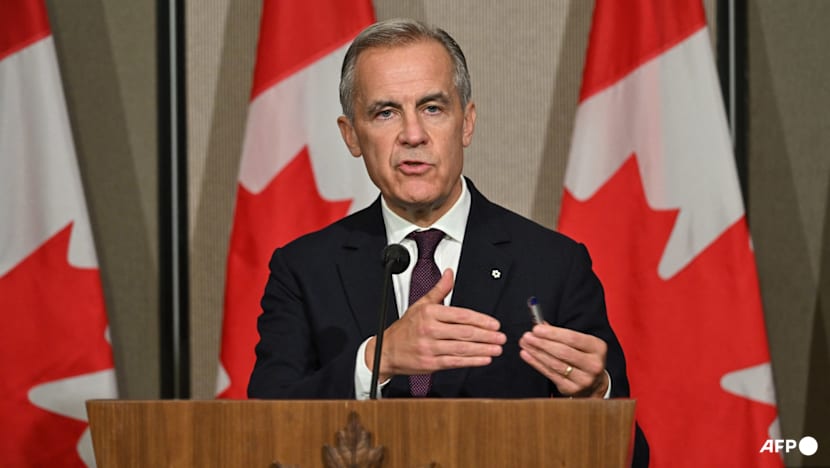
Canada’s Prime Minister Mark Carney headed to Beijing on Tuesday for high level talks with Chinese leaders on trade and global security, as Ottawa looks to widen its options amid growing strain with the United States.
The visit marks the first trip to China by a Canadian prime minister since 2017 and comes as Canada faces trade pressure and political uncertainty stemming from President Donald Trump’s tariff campaign and repeated annexation rhetoric. Canadian officials say the talks will focus on restoring economic ties and exploring areas of security cooperation.
Carney’s trip signals a potential reset after years of strained relations between Ottawa and Beijing, which deteriorated sharply following Canada’s arrest of Huawei executive Meng Wanzhou in 2018 during the government of former Prime Minister Justin Trudeau. The fallout triggered retaliatory measures from China and froze senior level engagement for years.
Carney agreed to the China visit last October after meeting President Xi Jinping on the sidelines of a regional summit in South Korea. While that meeting produced no formal agreements, it reopened channels that had been largely dormant.
Senior Canadian officials said Carney is expected to sign several memoranda of understanding during the January 14 to 17 visit, though details are still being finalized. According to Reuters, the agreements are likely to outline future cooperation rather than immediate binding deals.
Greg MacEachern, a former senior adviser to Liberal ministers, said the trip is designed to deliver tangible outcomes.
“When the prime minister is invited to China, it is not for window dressing,” MacEachern said, adding that the visit will be closely watched in Washington. He noted there is political risk but said Ottawa has decided the outreach is worthwhile. “There’s a calculation that Canada needs to show it is open for business,” he said.
Trade discussions are expected to include Canadian energy exports, particularly crude oil. A source familiar with the talks told Reuters that China could increase purchases as Canada looks to reduce its heavy reliance on the US market, which currently absorbs about 90 percent of Canadian oil exports.
That dependence has become more sensitive as Washington signals increased oil imports from Venezuela, potentially squeezing demand for Canadian crude.
Read Also: Canada Questioned Over Interrogation Of Israeli Critic
Agriculture will also feature prominently, though officials cautioned expectations should remain measured. Canadian representatives said they do not anticipate a full lifting of Chinese tariffs on canola during the visit.
China imposed preliminary anti dumping duties on Canadian canola imports in August, escalating a dispute that began after Ottawa introduced tariffs on Chinese electric vehicle imports the previous year. The measures have effectively halted canola shipments to China, once Canada’s largest export market for the crop.
Lynette Ong, a professor of Chinese politics at the University of Toronto, said both sides are under pressure to show progress.
“Both Canada and China want to signal their good intentions, so they each need to give away something,” she said.