
A single parliamentary by-election in a northern England constituency has done what months of cabinet resignations and dismal poll numbers could not: hand Keir Starmer’s challengers the evidence they needed to argue his time as prime minister is running out.
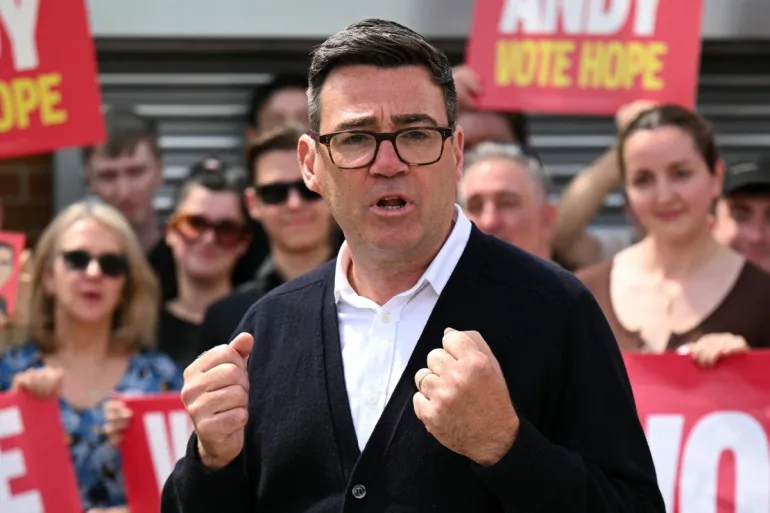
Andy Burnham, the Greater Manchester mayor known across Britain as the “King of the North,” won the Makerfield seat Friday with 54.8 percent of the vote, crushing the Reform UK candidate who managed just 34.5 percent. The margin was decisive enough that Labour lawmakers who had spent weeks debating whether to move against Starmer now have a number to point to — and a man with momentum, a national profile, and an explicit willingness to lead.
Burnham did not pretend otherwise. He has said for months he would stand in any contest to replace Starmer, and polling suggests he would win one if Labour Party members were the ones deciding.
What happens next depends less on Burnham than on whether Starmer can be persuaded to leave without forcing the party through a leadership contest that several of his own colleagues believe would inflict more damage than it resolves.
The prime minister has shown no sign of stepping back voluntarily. Starmer congratulated Burnham publicly on X within hours of the result, framing it as a Labour win over division rather than a referendum on his own leadership: “Voters chose Labour’s campaign of hope and optimism over division and hate.” He reiterated this week that he intends to contest any leadership challenge directly, warning his party against the disruption such a campaign would bring.
Read also: Starmer And Trump Speak After Days Of Public Acrimony
The numbers working against him are not subtle. Starmer, 63, now ranks among the least popular prime ministers in British polling history — a reversal almost unthinkable two years after he led Labour to a landslide national victory. Scandals, reversed policy decisions and a reputation for indecision have undercut the change agenda he campaigned on. Roughly a quarter of Labour’s parliamentary lawmakers have called for him to resign since the party’s heavy losses in last month’s local elections. His defense secretary and health secretary have both resigned over his leadership in recent months.
Burnham, for his part, struck a tone less of personal ambition than political diagnosis. He cast his win as a chance to pull Britain back from what he called “a divided, dark politics of the kind we see in the United States,” and told supporters the result amounted to a “turning point” that Labour could not afford to misread.
“We must hear it, we must act upon it, and we must get it right,” he said. “There will be no second chance.”
The mechanics of an actual leadership challenge remain unresolved. Labour rules require 81 lawmakers — 20 percent of the parliamentary party — to back a single challenger before a formal contest is triggered. Wes Streeting, the former health secretary and another Starmer rival, said this week he would push for a contest soon unless the prime minister set a timeline for his own departure, calling Burnham’s victory proof that Labour needs to change course. Culture Secretary Lisa Nandy, a Burnham ally, told reporters she expected the two men to speak shortly, while declining to say whether she would resign her cabinet post if pressure on Starmer intensified further. She would not speak for other ministers.
Burnham’s appeal inside the party rests substantially on electoral fear. Reform UK, led by Nigel Farage, currently leads national opinion polls, and many Labour lawmakers worry they will lose their seats to Farage’s party in the next general election, scheduled for 2029. Burnham’s win in Makerfield — a seat that opened after Labour MP John Simons resigned — gave colleagues a tested answer to the question of who in the party can actually beat Reform at the ballot box.
Read also: Starmer Faces Calls To Quit As Second Aide Resigns
He has spent the last month behaving less like a regional mayor and more like a prime minister rehearsing for the role, laying out policy positions for a government he does not yet lead. He has also had to walk back comments that unsettled financial markets last year, when he said Britain was “in hock” to bond markets — remarks that prompted a swift reaction from investors and that Burnham has since said were taken out of context. He has committed to following strict fiscal rules if he takes power.
Should Starmer ultimately depart and Burnham succeed him, Britain would install its seventh prime minister in just over a decade — the fastest turnover the country has seen in nearly two hundred years. It is a statistic that reflects less about any single leader’s failures than about a British electorate that has spent ten years voting for change and getting, repeatedly, more of the same uncertainty.