
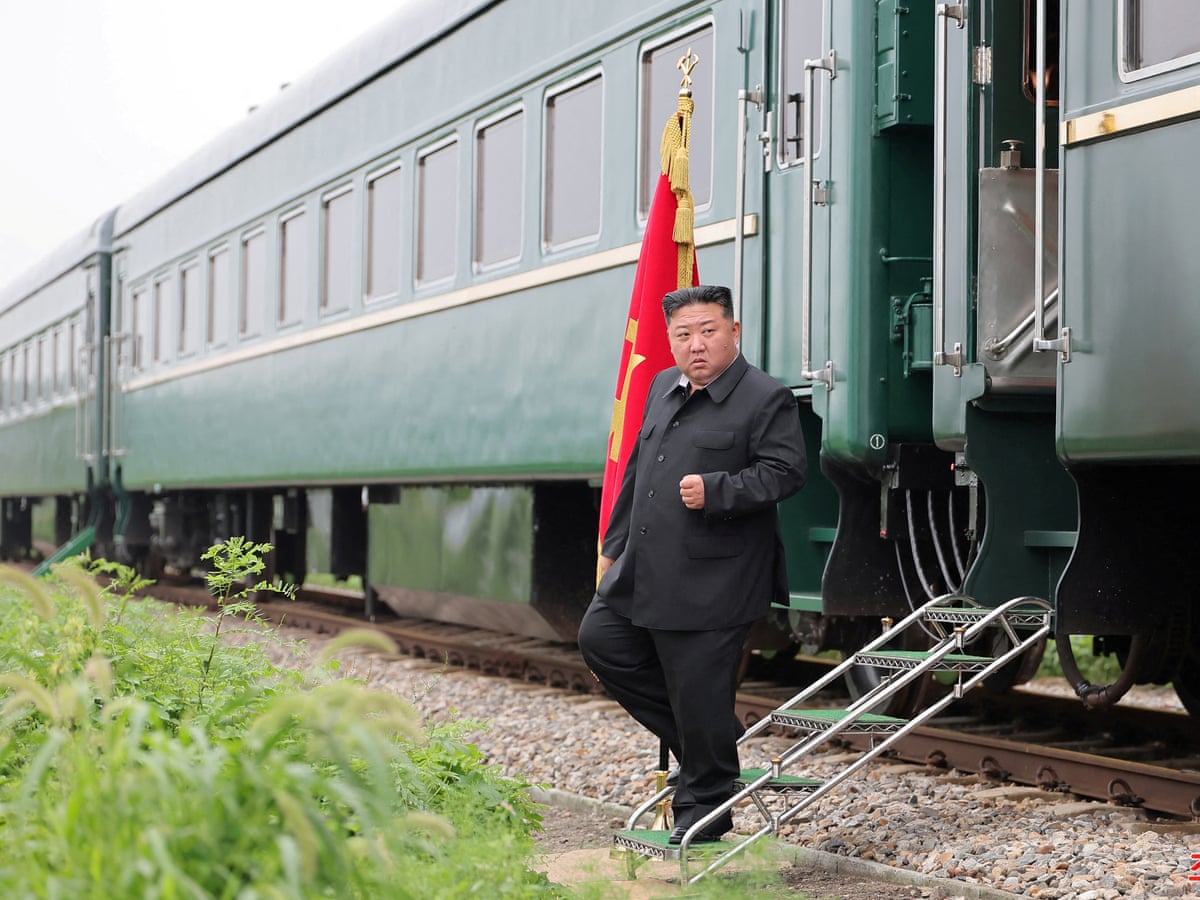
Passenger train services between Beijing and Pyongyang will resume on Thursday for the first time in six years, reviving one of the few physical links between North Korea and the outside world after the country sealed its borders at the onset of the COVID-19 pandemic in early 2020, a cautious reopening that stops well short of restoring normal cross-border movement but signals a gradual warming between Pyongyang and its primary economic patron, Beijing.
The train is scheduled to depart Beijing at 5:26 p.m. and arrive in Pyongyang at approximately 6 p.m. the following day, stopping in the Chinese border city of Dandong en route. The service will run four times a week, on Mondays, Wednesdays, Thursdays and Saturdays. Only the last two carriages will initially carry passengers, mainly diplomats or others on official business, with ticket sales to the general public possible if seats are available. Tickets for the March 12 departure sold out within hours of going on sale at the Beijing International Hotel ticketing office, with buyers described as entrepreneurs, government officials, and journalists. Tickets for the following service on March 18 remained available as of Tuesday.
Travel agents at official ticketing booths in Beijing and Dandong told AFP that Chinese people working and studying in North Korea were eligible to purchase tickets, as were North Koreans working, studying, and visiting family abroad. Tourists are not yet eligible. The restriction underscored the limited nature of the reopening. North Korea has not restored general tourism and remains largely closed to foreign visitors, with limited exceptions for Russian tour groups under restricted arrangements. Before the pandemic, Chinese visitors made up the largest share of foreign tourists to the country.
China’s Foreign Ministry spokesman Guo Jiakun did not confirm the resumption when asked at a regular press briefing on Tuesday, saying only that maintaining regular passenger train services carries “important significance for facilitating people-to-people exchanges between the two sides.” South Korea’s unification ministry said it was closely monitoring the situation, adding: “We understand that the Pyongyang–Beijing international train service is set to resume operations on March 12.”
Read Also: North Korea Opens Housing For Families Of Soldiers Killed In Ukraine
The resumption is diplomatically significant beyond its limited passenger volume. The Beijing-Pyongyang rail line, designated K27/K28 and in operation since May 21, 1954, has historically been one of the two main overland arteries through which China and North Korea exchange goods, people, and diplomatic signals. The Dandong-Sinuiju crossing, where the train pauses for up to two hours for border inspections, carries over 70 percent of all trade between the two countries, and the restoration of passenger services on that corridor is typically interpreted as a barometer of overall bilateral health. The train’s six-year suspension coincided not only with the pandemic but also with a period of unusual coolness in China-North Korea relations as Pyongyang deepened its military partnership with Russia in the context of the Ukraine war.
Kim Jong Un held summit talks with Chinese President Xi Jinping in Beijing in September last year and discussed ways to improve bilateral ties, but relations between Pyongyang and Beijing do not appear to have been restored in a full-fledged manner, with no signs of high-level personnel exchanges spotted.
Read Also: Trump To Visit China Amid Supreme Court Reversal Of Tariffs
The geopolitical moment of the resumption was not lost on regional analysts. The train’s return came as North Korea was issuing its sharpest warnings in years over the US-South Korea Freedom Shield exercises underway since March 9, with Kim Yo Jong explicitly invoking the US-Israel war against Iran as evidence that military exercises can transition into actual combat without warning.
Trump was simultaneously signaling interest in a summit with Kim Jong Un later in 2026, and analysts were pointing to Trump’s planned visit to Beijing at the end of March as a potential catalyst for a broader Korean Peninsula diplomatic framework. Against that backdrop, the restoration of physical passenger connectivity between Pyongyang and Beijing carried a message that both capitals wanted to project: that the North Korea-China relationship was being repaired at exactly the moment Washington sought to engage Pyongyang directly, preserving Beijing’s role as the indispensable intermediary.
The cautious nature of the reopening was reinforced by a simultaneous cancellation. Tour operators announced Monday that North Korea had cancelled the Pyongyang Marathon, originally scheduled for next month, citing an official statement with no explanation given. The marathon is one of the largest international sporting events in North Korea, offering visitors a rare opportunity to run through the capital’s tightly controlled streets. The cancellation suggested Pyongyang was managing the pace of its opening carefully, allowing controlled official-to-official movement while continuing to block the larger-scale public engagement that a reopened international marathon would have represented.