
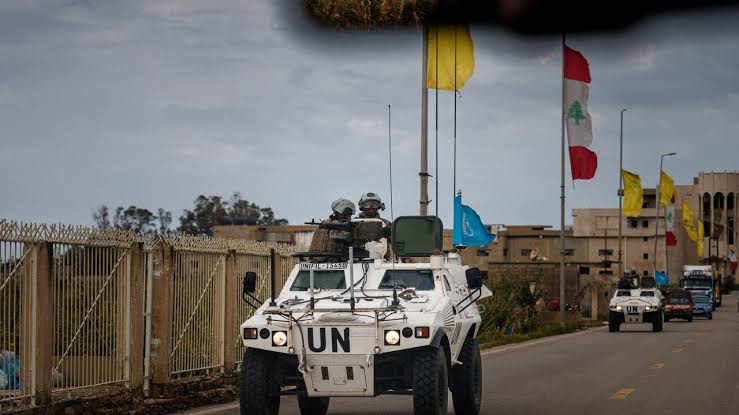
Indonesia demanded a formal United Nations investigation Wednesday into the deaths of three of its peacekeepers in southern Lebanon, rejecting Israeli explanations as insufficient and escalating the diplomatic confrontation that has been building since a bloody weekend of Israeli strikes killed UN personnel, journalists and medics in the region.
Speaking at an emergency Security Council meeting on Tuesday, Indonesia’s UN representative Umar Hadi made his government’s position unambiguous. “We demand a direct investigation from the U.N., not just Israel’s excuses,” he said — language that dispensed with diplomatic hedging and went straight to the question of accountability that Jakarta wants answered on the international record.
Read also: Australia Slashes Fuel Tax In Half As Energy Crisis Worsens
The three Indonesian peacekeepers were killed in two separate incidents in southern Lebanon, deaths that came amid a stretch of Israeli military operations the Indonesian government said had placed UN blue helmets in grave and unacceptable danger. The circumstances of one incident drew immediate scrutiny. UN peacekeeping chief Jean-Pierre Lacroix said Tuesday that initial findings indicated a roadside explosion had struck the convoy carrying two of the Indonesian peacekeepers killed on Monday. The Israeli military, conducting its own review of the same incident, concluded that Israeli troops had not placed any explosive device in the area and were not present when the explosion occurred. The two accounts leave the cause of the deaths disputed and the demand for an independent investigation with obvious justification.
Indonesia’s stake in this is not abstract. The country contributes more than 2,700 uniformed personnel to UN peacekeeping operations worldwide, placing it among the largest national contributors to the global peacekeeping architecture.
Those personnel operate under the assumption that their blue helmets confer a degree of protection grounded in international law and the practical deterrence of consequences for those who harm UN forces. Three deaths in a short span, combined with what Jakarta characterises as inadequate Israeli accounting for what happened, directly challenges that assumption.
Read also: Pentagon Refutes Hegseth Broker’s Pre-War Investment Hunt
UNIFIL, the UN Interim Force in Lebanon, has operated in the south of the country for decades and has been in an increasingly precarious position since Israeli military operations intensified in Lebanon alongside the broader regional conflict triggered by the US-Israeli war on Iran. The force’s mandate is to monitor the cessation of hostilities and support Lebanese state authority in the south — functions that become extremely difficult to perform when the parties to the conflict are actively operating in the same territory.
Indonesia’s demand for a UN-led investigation rather than reliance on Israeli self-review reflects a well-established pattern in international accountability disputes: the party accused of causing harm conducts its own inquiry and reaches conclusions exonerating itself, while those seeking accountability argue that only an independent process can produce findings worth trusting. The Security Council emergency meeting on Tuesday was itself a signal that member states consider the situation serious enough to require urgent multilateral attention.
Jakarta’s broader regional engagement adds context to the sharpness of its response. Indonesia has pledged troops for potential deployment to Gaza as part of the UN-mandated International Stabilization Force being discussed for that territory — a commitment that places Indonesian personnel potentially in the path of similar risks in a different conflict zone.
The deaths in Lebanon therefore carry weight beyond the immediate bilateral dispute with Israel, touching on questions about the conditions under which Indonesia will continue to place its soldiers in UN operations across the Middle East.
The Security Council meeting produced no immediate resolution on the investigation question. Indonesia’s demand remains formally before the body, which must now decide whether to mandate an inquiry of the kind Jakarta is requesting or allow the existing separate investigations — the UN’s preliminary assessment and Israel’s own review — to proceed as the authoritative accounts of what happened on those roads in southern Lebanon.