
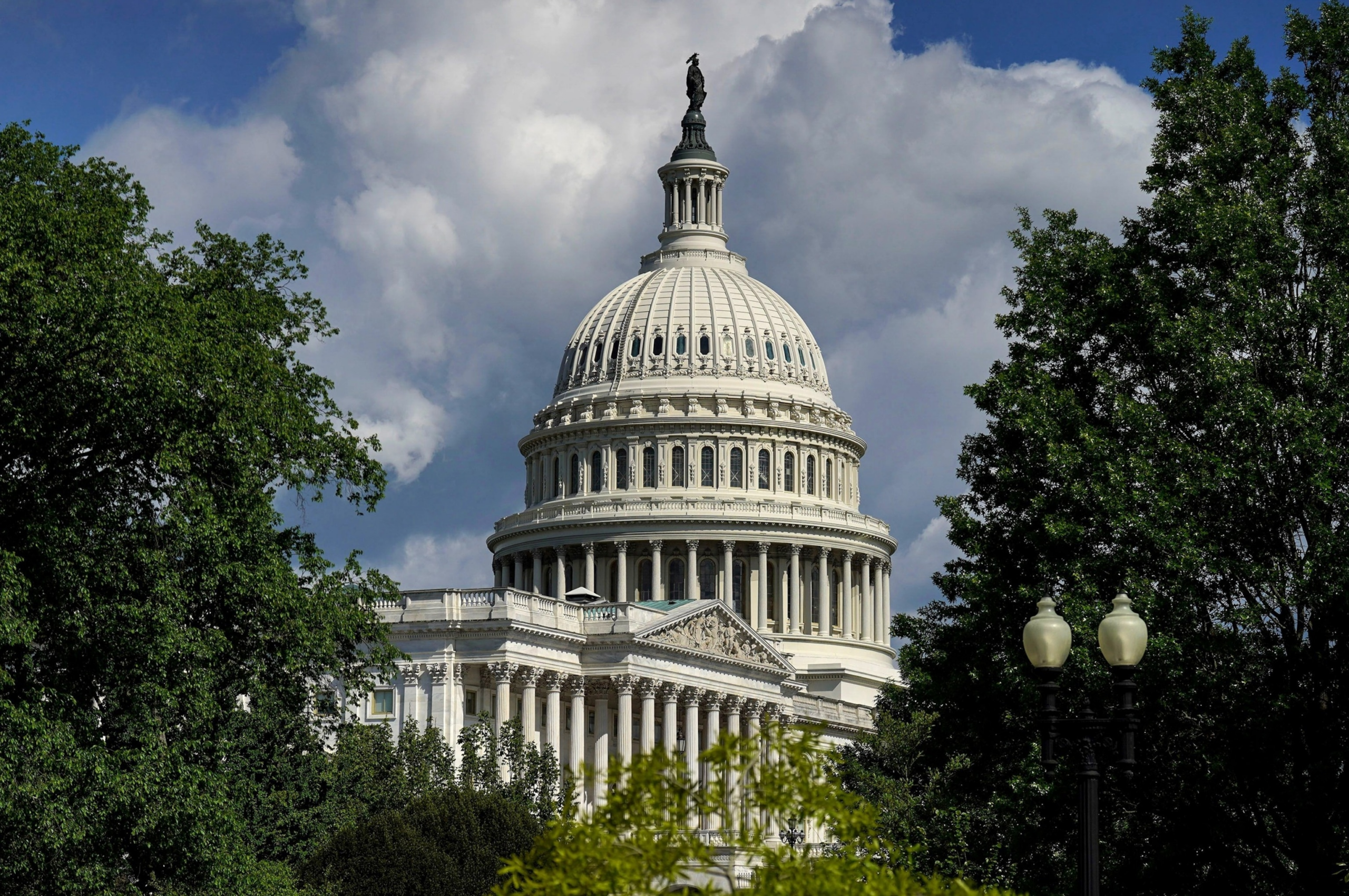
An 11-week partial government shutdown ended Thursday when Donald Trump signed legislation restoring funding to the Department of Homeland Security — a resolution that cleared Congress only after Republicans agreed to exclude Immigration and Customs Enforcement and Customs and Border Protection from the bill, the precise compromise their leadership had spent months refusing to accept.
The House passed the Senate-approved measure by voice vote, sending it to Trump who signed it into law. DHS agencies including the Transportation Security Administration and the Federal Emergency Management Agency, which had been operating without guaranteed funding since February 14, will now receive the appropriations they need to function normally. TSA agents who had been reporting to work unpaid — producing extended lines at airports across the country — will be made whole.
The shutdown began when Democrats, citing the killing of two US citizens during federal immigration raids in Minnesota in January, issued a set of demands for ICE reform in early February. Those demands included prohibiting agents from wearing masks to conceal their identities, banning racial profiling and ending immigration enforcement at sensitive locations including schools and churches. Democrats said they would withhold votes from any DHS funding bill that did not include those reforms. Republicans, who control both chambers but lack the 60 votes needed to overcome a Senate filibuster on major legislation, needed Democratic support to pass the bill — which gave the minority real leverage.
Read also: GOP Kills Bill To Compensate Federal Airport Employees
The compromise that broke the standoff was the Senate-passed bill that funded DHS broadly while omitting ICE and CBP, on the basis that those agencies retained sufficient funding through previously approved appropriations. House Speaker Mike Johnson initially rejected the proposal, but reversed course after Trump publicly signaled support for moving forward. Johnson brought it to a vote, it passed, and the shutdown ended.
DHS Secretary Markwayne Mullin placed the blame squarely on Democrats. “To be clear, this Democrat shutdown NEVER should have happened,” Mullin wrote on X, thanking DHS employees who had continued working without a guaranteed paycheck and praising Trump’s role in resolving the impasse.
Read also: Trump Threatens To Deploy ICE Agents To Airports
Democrats framed the outcome differently. “I’m glad that we are now funding the law-abiding agencies within DHS, like TSA and FEMA,” said Democratic Congresswoman Zoe Lofgren. “Now Congress needs to work on reining in ICE and CBP and holding them to the same standard to which every cop in America is held.”
The resolution of the shutdown does not resolve the underlying dispute. Republicans are now pursuing ICE and CBP funding through the reconciliation process, a budget mechanism that bypasses the filibuster’s 60-vote threshold and allows legislation to pass with a simple majority. Trump has separately pushed his party to eliminate the filibuster altogether — a move that carries significant risk, since the procedural protection that currently benefits Republicans in the Senate minority would equally benefit Democrats if they regained control of the chamber.
The 11-week shutdown was the product of a standoff in which both sides used federal employees’ paychecks and public services as leverage in a broader argument about immigration enforcement policy. The TSA agents who worked without pay and the FEMA staff whose disaster response capacity was placed under uncertainty paid the immediate price for that argument. The argument itself — over how ICE operates, who it targets and what accountability it owes — is unresolved and will surface again the next time a funding deadline approaches.