
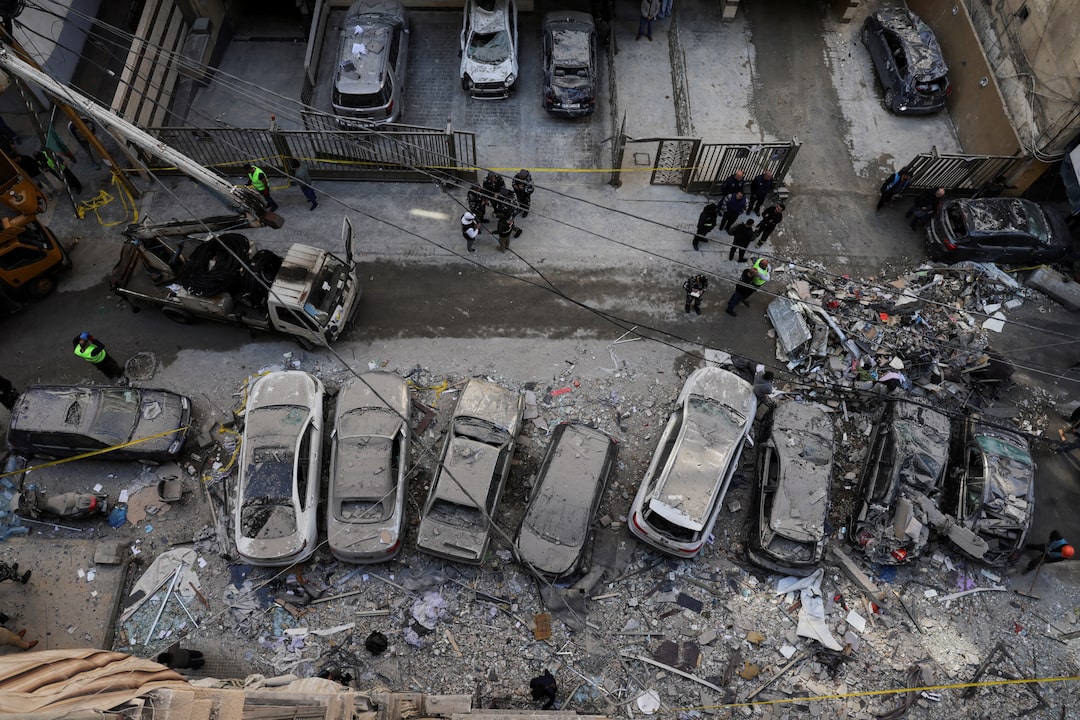
Iran warned Sunday it was prepared for a U.S. ground assault and would meet any deployment of American troops on its soil with devastating force, as regional foreign ministers convened in Islamabad to seek a diplomatic exit from a month-long war that has spread across the Middle East and inflicted what analysts describe as the worst disruption to global energy supplies since the 1970s.
Iran’s parliament speaker Mohammad Bagher Ghalibaf, one of the most senior surviving civilian figures in the Iranian state, accused the Trump administration of pursuing a dual track of public diplomacy and covert military planning.
“The enemy openly sends messages of negotiation and dialogue and secretly plans a ground attack,” he said, in remarks reported by Tasnim news agency. “Unaware that our men are waiting for the arrival of American soldiers on the ground to set fire to them and punish their regional partners forever. Our firing continues. Our missiles are in place,” Ghalibaf added, saying Tehran’s determination and faith had grown through a month of bombardment.
The warning came in direct response to a Washington Post report, citing unnamed U.S. officials, that the Pentagon was preparing for weeks of limited ground operations inside Iran involving special forces and conventional infantry units. It remained unclear as of Sunday whether President Donald Trump had authorized such plans. Reuters has separately reported that military options including ground forces were among those under consideration. An Iranian strike on Prince Sultan Air Base in Saudi Arabia wounded 12 U.S. service members and damaged several refueling aircraft as well as an E-3 Sentry airborne warning and control aircraft, a loss that a retired U.S. Air Force colonel described as “a very big deal” that would diminish Washington’s ability to track activity across the Gulf.
Israel’s military said it was days away from striking all targets it classified as top priority in Iran. Overnight, Israeli forces hit what they described as a facility producing critical components for ballistic missiles and a weapons production and storage site in Tehran. Iran launched multiple missile salvos at Israel on Sunday, sending millions of Israelis into shelters.
Read Also: Zelenskyy’s Gulf Trip Yields Defence Pacts With UAE, Qatar
A fire broke out in an industrial area in southern Israel following what authorities described as an impact, though it was not confirmed whether a missile had struck directly or whether the fire resulted from interception debris. Chemical manufacturing plants and a hazardous waste facility are located in the same zone.
Iran’s internet blackout entered its 30th consecutive day, with civilians cut off for at least 696 hours, according to internet monitoring group NetBlocks. The IRGC threatened to strike American and Israeli university campuses in the Middle East if the United States did not issue an official government condemnation of its attacks on Iranian universities by noon Tehran time on Monday. The American University of Beirut shifted to fully remote operations for Monday and Tuesday as a precaution.
Against that backdrop, the foreign ministers of Pakistan, Saudi Arabia, Turkey, and Egypt held talks at the Pakistani foreign ministry in Islamabad, with Prime Minister Shehbaz Sharif separately meeting Saudi Foreign Minister Prince Faisal bin Farhan Al Saud. Pakistan’s National Security Adviser and the director general of the Inter-Services Intelligence were also in attendance. A joint communiqué was expected to follow the two-day session. Egypt’s foreign ministry said the ministers discussed the conflict’s severe economic consequences, its impact on international navigation, supply chains, food security, and rising global oil prices. Pakistan’s foreign minister confirmed Iran had agreed to permit 20 Pakistani-flagged vessels to transit the Strait of Hormuz at a rate of two ships daily, a limited but symbolically significant concession.
Read Also: US-Israel Month-Long Iran Offensive Brings Guns To Streets
Iran has formally stated its five conditions for ending the war: cessation of attacks, concrete guarantees against recurrence, payment of war reparations, a comprehensive end to fighting across all fronts including against Hezbollah and other resistance groups, and recognition of Iranian sovereignty over the Strait of Hormuz. Foreign Minister Abbas Araghchi said Tehran would end the war only on “our own terms.” The Trump administration has described the conditions as non-starters. Special envoy Steve Witkoff said he expected meetings with Iran “this week” and was awaiting Tehran’s formal response to Washington’s 15-point proposal.
The Houthis’ first direct strikes on Israel since the war began, launched Saturday, raised concerns about a renewed threat to Red Sea shipping on top of the Hormuz closure. An Iraqi drone also targeted a U.S. military base in Syria, with pro-Iranian Iraqi groups claiming responsibility. Three Lebanese journalists, including Al Mayadeen correspondent Fatima Ftouni, her cameraman brother Mohammed, and Al Manar’s Ali Shuaib, were killed in an Israeli drone strike in Jezzine in southern Lebanon.
“President Trump has poor options all around to end the war,” said Jonathan Panikoff, a former U.S. deputy national intelligence officer for the Middle East. Trump’s approval rating on handling the Iran war stood at 36 percent in the most recent polling, its lowest since the conflict began. The April 6 deadline for the moratorium on U.S. strikes against Iranian energy infrastructure remains the next fixed point in the conflict’s diplomatic and military calendar.