
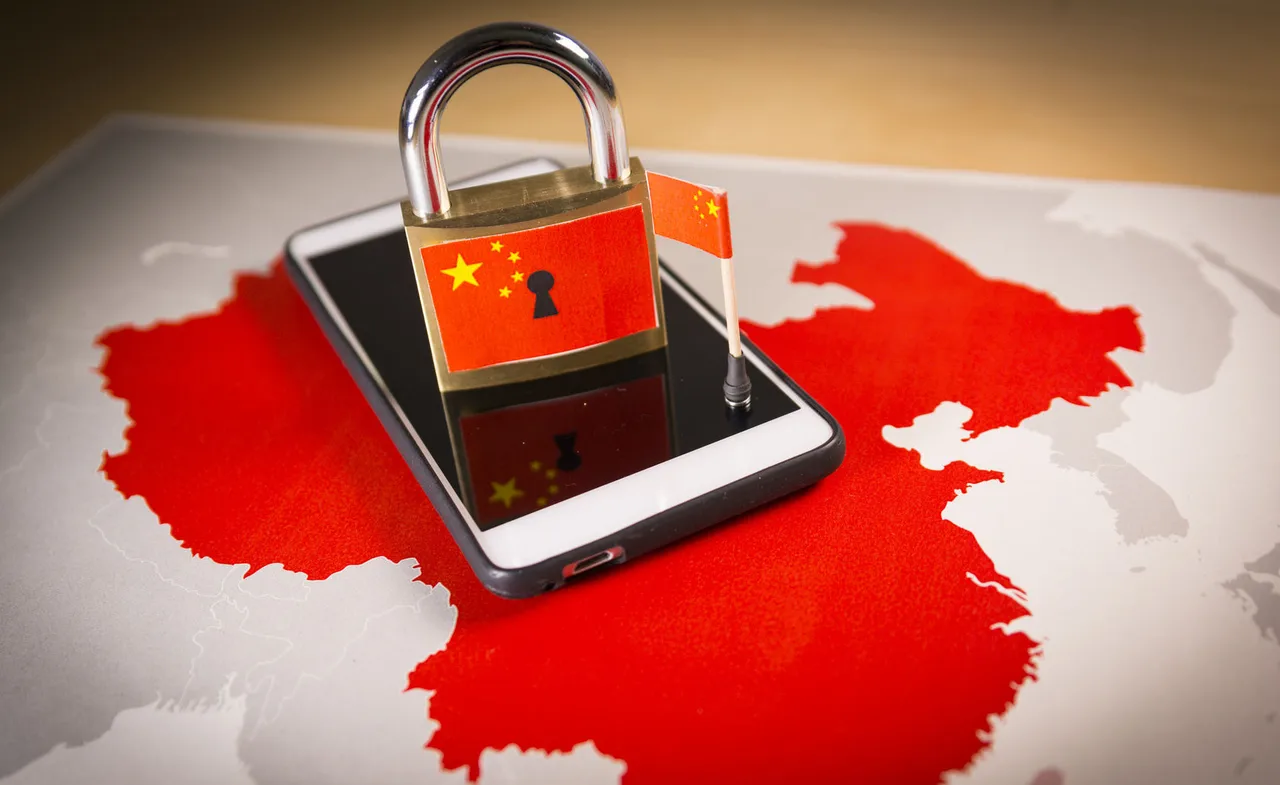
America’s telecommunications regulator moved Thursday to sever the last meaningful threads connecting Chinese state-owned carriers to the United States communications network, proposing to bar China Mobile, China Telecom and China Unicom from operating data centers on American soil and cutting them off entirely from interconnection with US carriers.
The Federal Communications Commission said it had tentatively concluded that American telecommunications companies should be prohibited from linking their networks with any carrier on its national security watch list — a Covered List that includes the three Chinese giants alongside equipment manufacturers Huawei and ZTE. The agency is also weighing whether to extend the ban to affiliates of blacklisted companies and to any carrier that has installed Huawei or ZTE hardware in its infrastructure.
An initial vote is set for April 30.
The proposal is not a sudden departure. It is the latest step in a methodical campaign the FCC has been running for years to extract Chinese telecommunications presence from American networks. The agency blocked China Mobile from providing US services back in 2019. It pulled China Unicom’s operating authorization in 2021 and China Telecom’s the following year. December brought a proposal to bar all three from connecting to US networks to address robocall concerns. Last Friday the agency proposed banning imports of equipment from Covered List manufacturers — an extension of a 2022 bar on new model approvals. Chinese drones were banned from import in December. Chinese consumer routers followed last month.
Thursday’s announcement came packaged with an additional proposal that will go to the same April 30 vote: a ban on Chinese laboratories testing electronic devices for US market approval. Smartphones, cameras, computers — any device that needs FCC certification before it can be sold in America would no longer be eligible for testing in Chinese facilities. The practical effect would be to close a certification pathway that Chinese manufacturers have been using to bring consumer electronics to American shelves.
Read also: China Won’t Tolerate Taiwan Independence – Xi To Opposition
The Chinese Embassy in Washington delivered its standard response, accusing the United States of weaponising national security law to suppress Chinese business. The framing is consistent across every FCC action targeting Chinese technology — Beijing characterises each move as economic protectionism dressed in security language rather than a legitimate response to genuine risk.
The FCC’s position, shared by both Republican and Democratic administrations across multiple years, is that Chinese state-owned telecommunications companies cannot be trusted to operate inside American communications infrastructure because the Chinese government’s legal authority over those companies makes them potential instruments of surveillance, data collection or network disruption. The companies deny this. The regulatory machinery has proceeded regardless.
What Thursday’s proposal adds to the existing framework is a focus on the physical infrastructure of interconnection — the data centers and internet exchange points where networks meet and traffic flows between carriers. These are the nodes through which a carrier with no direct US operating license can still touch American data. Closing that pathway is the logical extension of a policy that has already stripped the companies of their formal American operating rights but left them with residual connectivity through third-party arrangements.
Read also: Weakened Hormuz Resolution Faces UN Vote Tuesday
The scope of the April 30 vote makes it one of the most consequential single FCC meetings in the agency’s recent history. If the proposals pass, carriers using Huawei or ZTE equipment would find themselves on the wrong side of the interconnection ban regardless of their nationality — a provision that could affect networks in countries that have not followed Washington’s lead in restricting Chinese hardware. The global telecommunications industry, which runs on interconnection agreements that rarely advertise the equipment they run on, will be watching the outcome carefully.
For the three Chinese carriers, the proposals represent the closing of the last operational footholds they retained in the American market after years of progressive exclusion. Data centers at internet exchange points have been among the few remaining ways Chinese carriers could maintain a physical presence connected to US networks. Thursday’s proposal targets that specifically.
The vote is three weeks away. Chinese companies and their legal representatives will use that window to file objections. The FCC under its current leadership has shown little appetite for reconsidering these actions once they reach the voting stage. The April 30 meeting is less likely to be a debate than a formalisation of conclusions the agency announced it had already tentatively reached.