
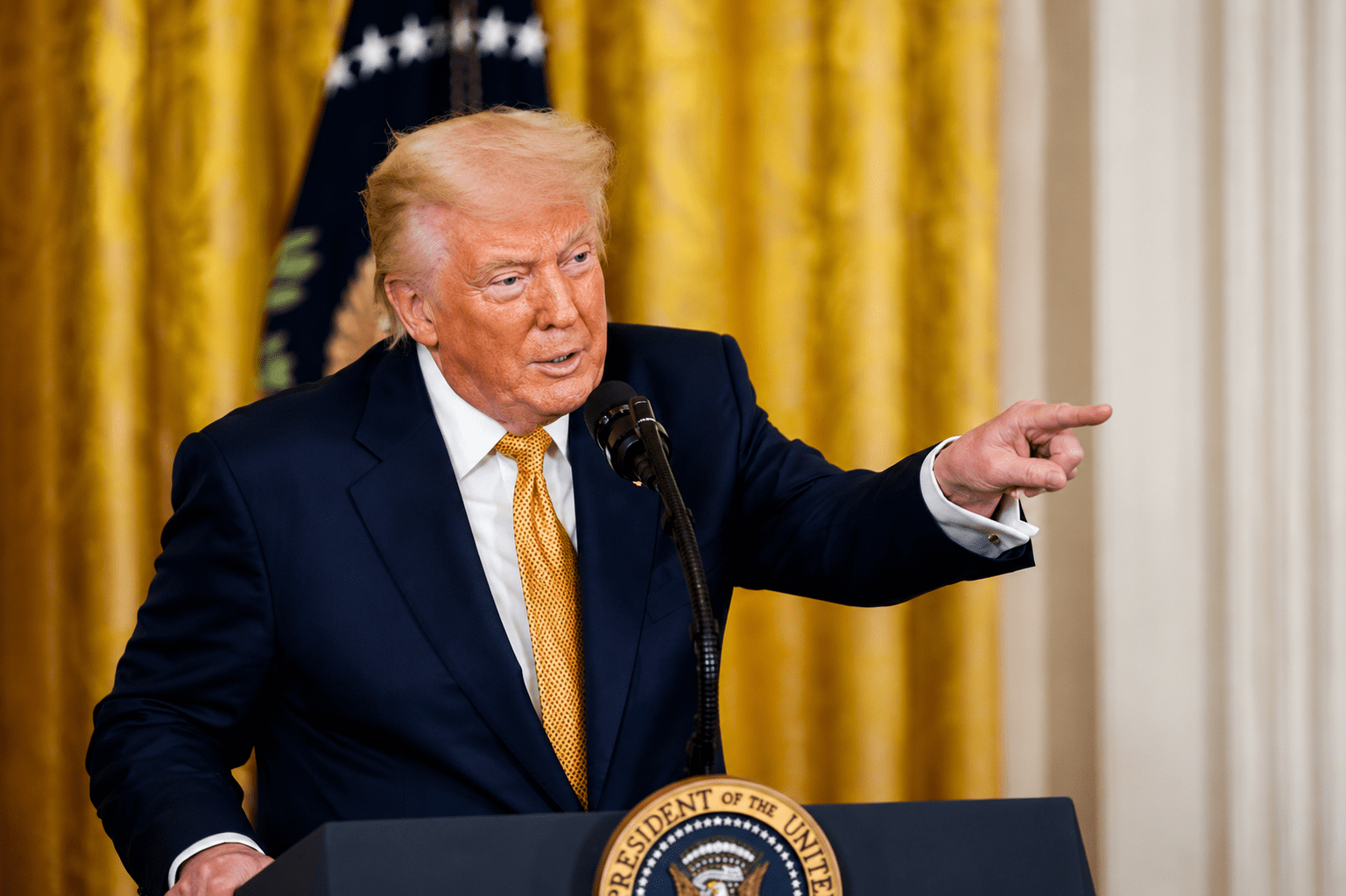
Six weeks into a ceasefire neither side appears fully committed to keeping, Pakistan dispatched its most senior military official toward Tehran on Thursday in a bid to salvage negotiations that have produced almost nothing — while Donald Trump stood before reporters and warned Iran that resumed American military action was not a remote possibility but a live one.
The stakes compressed sharply this week when Iran submitted its latest offer to Washington. By most accounts, it largely restated demands Trump had already turned down flat: control over the Strait of Hormuz, compensation for war damage, sanctions relief, release of frozen assets, and withdrawal of U.S. forces from the region. That is not the architecture of a deal closing. It is the architecture of a negotiation that may be heading somewhere very bad.
Army Chief Asim Munir was weighing Thursday whether to fly to Tehran as the centerpiece of Pakistan’s mediation push, according to three people with knowledge of the effort who spoke on condition of anonymity. Pakistan’s interior minister had already been in the Iranian capital a day earlier. Islamabad, by all indications, is working every channel available. “We’re speaking to all the various groups in Iran to streamline communication and so things pick up pace,” one of the sources said. The concern driving the urgency was explicit: Trump’s patience, already visibly thin, was being treated inside the mediation effort as the variable most likely to break the entire process.
Trump did little to discourage that reading. At Joint Base Andrews, he told reporters Iran had days — perhaps only days — to come back with something workable. “If we don’t get the right answers, it goes very quickly,” he said. “We’re all ready to go.” He had made clear before that his core objective was blocking Iran from acquiring a nuclear weapon. He made it clear again. “We’re in the final stages of Iran,” he said. “Either have a deal or we’re going to do some things that are a little bit nasty.”
Iran’s Revolutionary Guards answered in kind. Any renewed attack on Iranian territory, the Guards warned in a formal statement, would trigger a regional war that would extend beyond the region — language calibrated to signal that the next escalation would not be contained the way the last one was.
Read also: Senate Checks Trump On Iran With War Powers Legislation
What sits at the center of this standoff, geographically and economically, is the Strait of Hormuz. Before the war began, the strait handled roughly a fifth of all global oil and liquefied natural gas shipments daily, with 125 to 140 vessel transits moving through it every 24 hours. Since fighting started, that channel has been functionally closed, producing what analysts describe as the most severe disruption to global energy supplies in modern history. Oil prices have surged, inflation concerns are intensifying, and Trump is absorbing political damage at home — his approval rating has dropped close to its floor since he returned to the White House, pressured directly by fuel costs that voters feel every time they fill a tank.
Iran moved this week to assert permanent authority over the waterway. Tehran released a map designating a “controlled maritime zone” at the strait and announced that future transit would require authorization from a new Iranian-controlled body — with the possibility of access fees attached. Washington called that condition unacceptable. The strait, in Iran’s framing, is now a resource to be managed on Tehran’s terms, not a shared international passage.
Still, movement is happening. Two Chinese supertankers carrying roughly four million barrels of oil crossed the strait Wednesday, and a South Korean vessel loaded with two million barrels out of Kuwait made the passage in coordination with Iranian authorities.
Shipping monitor Lloyd’s List counted at least 54 transits last week — double the week before. Iran put the 24-hour figure at 26 ships. The numbers remain a fraction of pre-war traffic, but the direction, at minimum, is not zero.
Read also: Pakistan’s Mediator Role Tested As Iran-US Tensions Escalate
The ceasefire that stopped the bombing arrived after U.S. and Israeli strikes killed thousands of Iranians. Israel’s parallel campaign in Lebanon — launched in pursuit of Iran-backed Hezbollah — killed thousands more and displaced hundreds of thousands. Iranian strikes on Israel and Gulf states claimed dozens of additional lives. The stated war aims of Trump and Israeli Prime Minister Benjamin Netanyahu included dismantling Iran’s nuclear program, destroying its missile capacity, ending its support for regional militias, and creating conditions for Iranians to remove their own government.
None of those objectives has been achieved. Iran retained its stockpile of near-weapons-grade enriched uranium. Its missile and drone infrastructure survived. And CNN reported Thursday, citing two people familiar with U.S. intelligence assessments, that Iran had already resumed some drone production during the ceasefire itself — rebuilding, even as diplomats negotiate.
The mass uprising that shook the clerical government at the start of the year has produced no organized domestic challenge since the war began. Iran’s rulers are under external pressure. They are not, for now, under pressure from within.