
Iran Unwilling To Strike War-End Deal, Trump Claims
Three weeks into a war that has reshaped the Middle East, the United States and Iran are offering flatly contradictory accounts of whether they are talking to each other at all — a dispute that may itself reveal more about the conflict’s trajectory than either side intends. Donald Trump said Sunday that Washington was in […]
Iran’s Path To Washington — Part 1
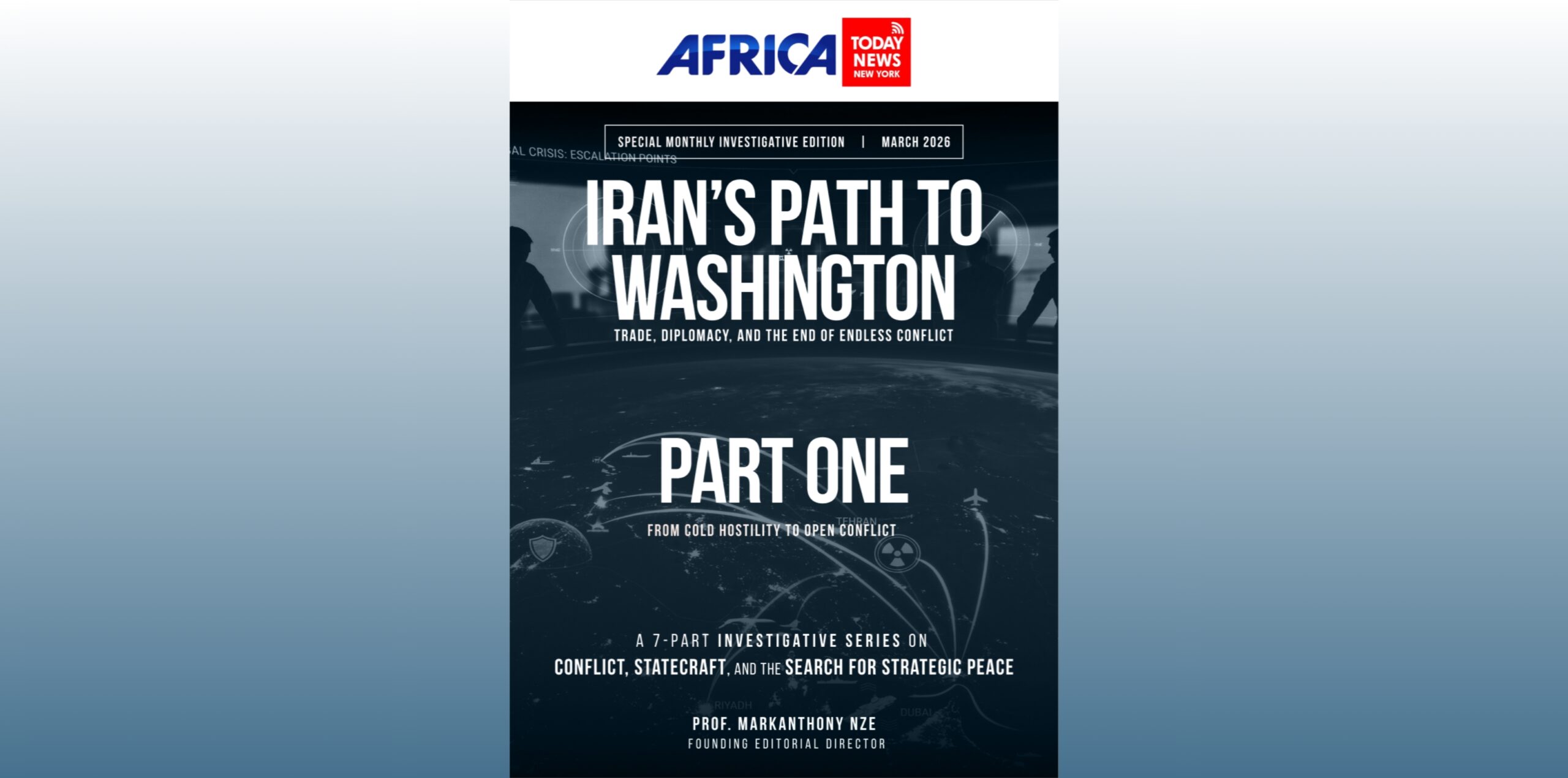
Part 1—From Cold Hostility To Open Conflict How decades of distrust, pressure, and proxy confrontation gave way to direct regional war The historical roots of the present Iran–United States–Israel crisis do not lie in a single grievance, treaty dispute, or military incident. They lie in the slow accumulation of mutually reinforcing fears: fear in Tehran […]
Iran’s Path To Washington—Intro
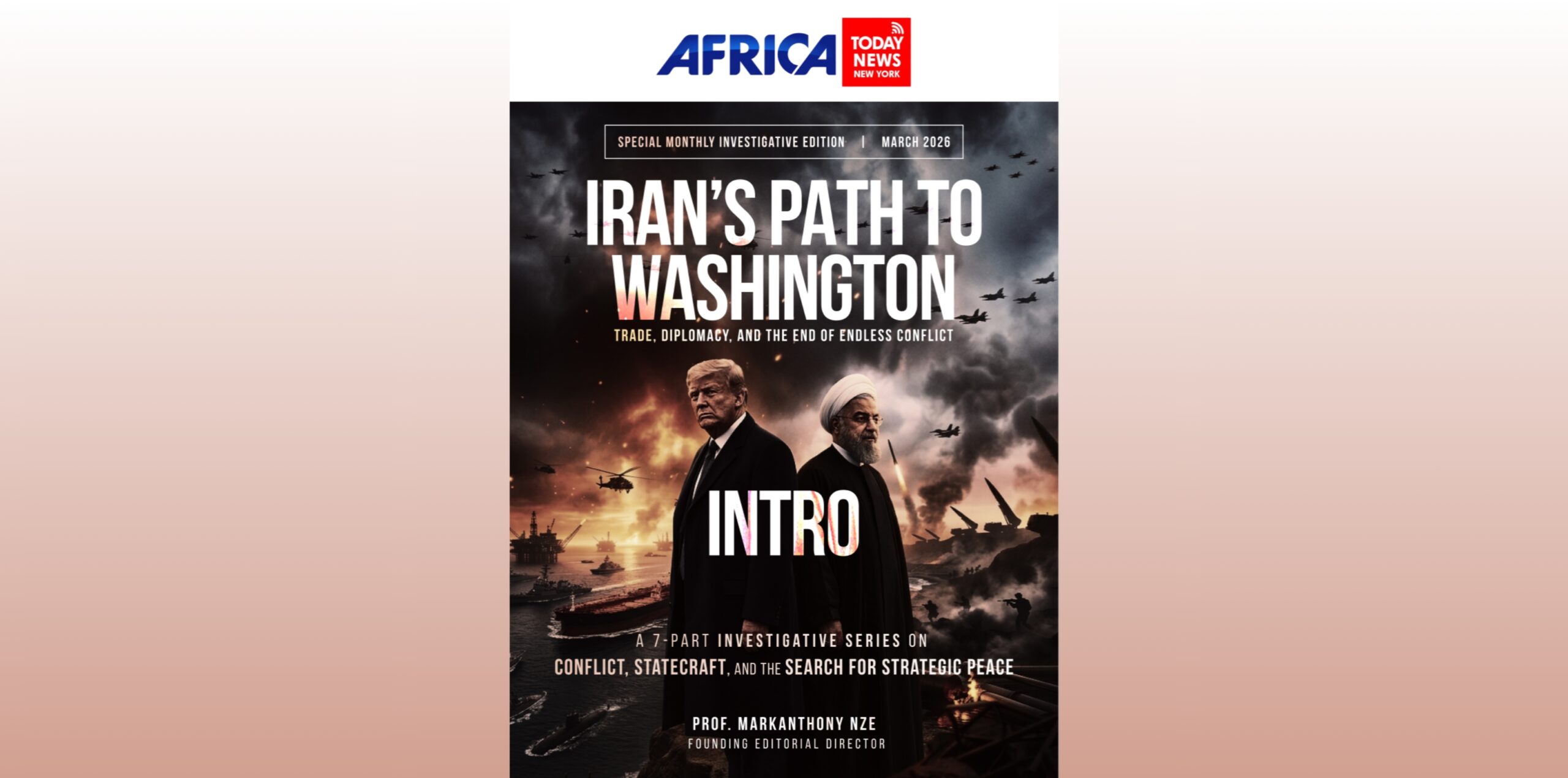
By Prof. MarkAnthony Nze Executive Overview A high-stakes map of the conflict, the actors, and the narrowing path away from regional rupture There are moments in international politics when events move faster than the language designed to contain them. The present confrontation among Iran, Israel, and the United States is one of those moments. What […]
Iran’s Path To Washington
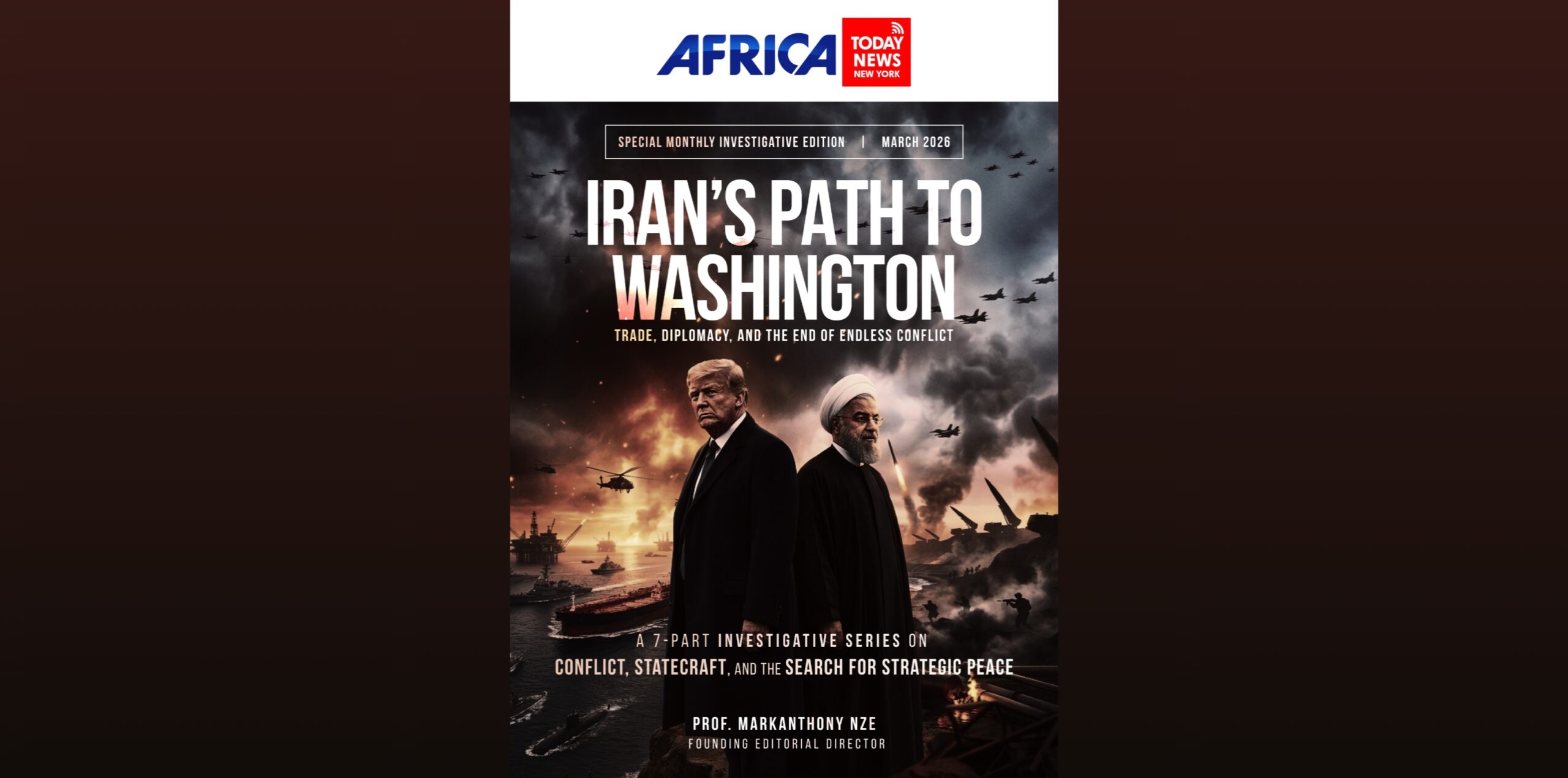
Trade, Diplomacy, and the End of Endless Conflict
A 7-part investigative series on conflict, statecraft, and the search for strategic peace
Prof. MarkAnthony Nze
Founding Editorial Director
Editorial Note
There are moments when a crisis stops being a sequence of events and becomes a test of political imagination. The present confrontation among Iran, Israel, and the United States has reached that point. It is no longer accurate to describe this as a familiar regional standoff managed through proxies, sanctions, covert action, and diplomatic intermittence. The crisis has entered a more dangerous phase, one in which direct force, nuclear opacity, civilian exposure, and economic shock now intersect with unusual intensity. The old language of “manageable tension” is beginning to fail. What has taken its place is a harder question: whether the region’s principal actors still possess the discipline to prevent escalation from becoming the new normal.
This special monthly investigation was commissioned in recognition of that shift. Journalism cannot meet a moment like this with headlines alone. It must also explain structure: how a region already burdened by mistrust, militarization, and unresolved nuclear fears arrived at a point where diplomacy and war now proceed almost side by side. On February 27, 2026, U.S.–Iran talks ended without a deal, even as mediators reported progress. On the same date, the International Atomic Energy Agency reported serious verification concerns, including more than eight months without access to verify previously declared highly enriched and low enriched uranium, and warned of a loss of continuity of knowledge. These are not passing technical details. They are signs of a strategic environment in which uncertainty itself is becoming combustible.
The essays that follow proceed from a simple conviction: this crisis cannot be understood through a single lens. It is at once a confrontation over security doctrine, a struggle over deterrence, a failure of durable diplomacy, a dispute over nuclear transparency, an energy shock with worldwide implications, and a contest over legal and moral legitimacy. To reduce it to slogans, whether of resistance, preemption, or punishment, is to miss what is most important. Serious public understanding requires a fuller map. It requires tracing how Israeli preventive logic, Iranian survival instincts, and American strategic leverage now interact in ways that can produce both rational calculation and collective instability.
That larger instability is already visible well beyond the battlefield. The Strait of Hormuz remains one of the most critical chokepoints in the world economy. According to the U.S. Energy Information Administration, it has carried more than one quarter of global seaborne oil trade and roughly one fifth of global oil and petroleum product consumption, while about one fifth of global liquefied natural gas trade also moves through it. On March 11, 2026, the International Energy Agency announced the largest oil stock release in its history, 400 million barrels from emergency reserves, to address disruptions stemming from the conflict. When a regional war compels a release of that scale, the issue is no longer merely regional. It has become a question of global exposure.
This is why Africa Today News, New York has chosen to present the investigation not as commentary in fragments, but as a structured editorial inquiry. Each part is designed to illuminate one dimension of the crisis while contributing to a larger argument: that no durable order can be built on permanent escalation, and no strategic actor, however militarily capable, can bomb its way to lasting clarity. The pieces explore how cold hostility became open confrontation, why Israeli doctrine continues to treat delay as danger, how Tehran is fighting simultaneously for deterrence, regime continuity, and narrative control, why Washington remains caught between containment and deeper entanglement, how the nuclear file has become more dangerous as visibility declines, how energy and shipping risks now radiate outward into the wider world economy, and why civilian harm and legal credibility increasingly shape the political meaning of the war itself.
This publication also makes a clear editorial judgment. However grave the crisis has become, the case for disciplined engagement is stronger now than the mythology of endless confrontation. Iran’s leaders may continue to derive political meaning from defiance, but defiance has not delivered economic recovery, strategic ease, or durable security. The United States, for all its contradictions, still remains the one actor with the leverage, alliances, and institutional reach to connect pressure, verification, and diplomacy in a form that could still produce an enforceable settlement. That does not make Washington blameless. It does make it central. It also raises the question that sits at the heart of this issue: whether Iran is finally prepared to treat peace with the United States not as capitulation, but as strategy.
That question is neither sentimental nor ideological. It is rooted in a fact now visible across every part of this crisis: the costs of escalation are no longer theoretical. They are measured in damaged inspections, failed talks, disrupted energy flows, wider insecurity, and the civilian burdens that accumulate when restraint becomes politically unfashionable. The purpose of this issue, then, is not to offer rhetorical comfort. It is to provide a serious framework for reckoning with one of the defining geopolitical tests of the present moment, and with the narrowing but still real possibility that statecraft, if chosen, may prove more durable than force.
Prof. MarkAnthony Nze, PhD, MCIM, MCIoJ, CMgr MCMI, MAAUP
Founding Editorial Director, Africa Today News, New York
Japan Unlocks Emergency Oil Reserves For Market Release
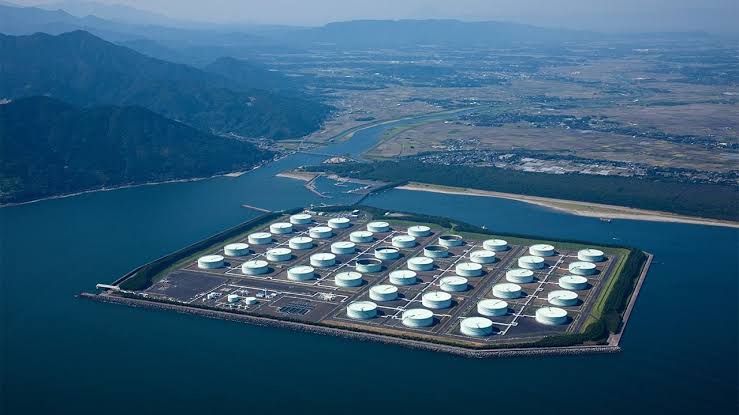
Japan began releasing its strategic oil reserves on Monday, becoming the first nation to act on an emergency agreement among developed economies to flood markets with stockpiled crude as war in the Middle East drives energy prices to punishing levels. The move follows a March 11 decision by members of the International Energy Agency to […]
Cannabis, Public Reason, And Africa’s Next Policy Future

By Prof. MarkAnthony Nze When I published my cannabis exposé in December 2025, I was not merely entering a debate. I was trying to change its terms. Across much of Africa, cannabis has for too long been treated as an object of instinct rather than inquiry. It has lived in the public imagination as a […]
Trump Tells World To Guard Hormuz Strait Without US
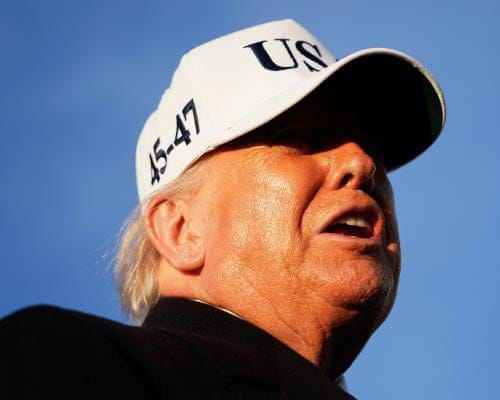
Donald Trump on Saturday demanded that nations dependent on oil flowing through the Strait of Hormuz share the burden of keeping it open, as Iranian attacks have all but sealed the waterway and pushed global crude prices up 40 percent since the US-Israeli war on Iran began. The US president, posting on social media, said […]
NYC Jews, Muslims Unite For Peace At Shared Iftar-Shabbat

Jewish and Muslim congregants shared Friday evening prayers and a meal at a Manhattan synagogue hours after an attack on a Detroit-area temple left communities on edge, an annual gathering that organizers said carried added weight against a backdrop of religious violence and Middle East conflict. Muslims observing Ramadan broke their daily fast at sundown […]
Taiwan’s Economic Boom Can Fund Military Growth – President
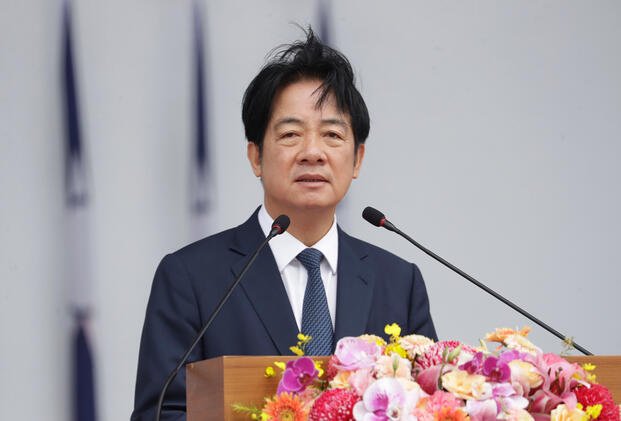
Taiwan’s legislature authorized $9 billion in US arms contracts Friday despite refusing to approve the broader $40 billion defense budget those purchases are meant to support, a procedural maneuver that underscores how economic confidence has collided with political gridlock over military spending. Parliament’s opposition majority, which controls enough seats to block President Lai Ching-te’s eight-year […]
US Dangles $10m Reward For Intelligence On Iranian Leaders
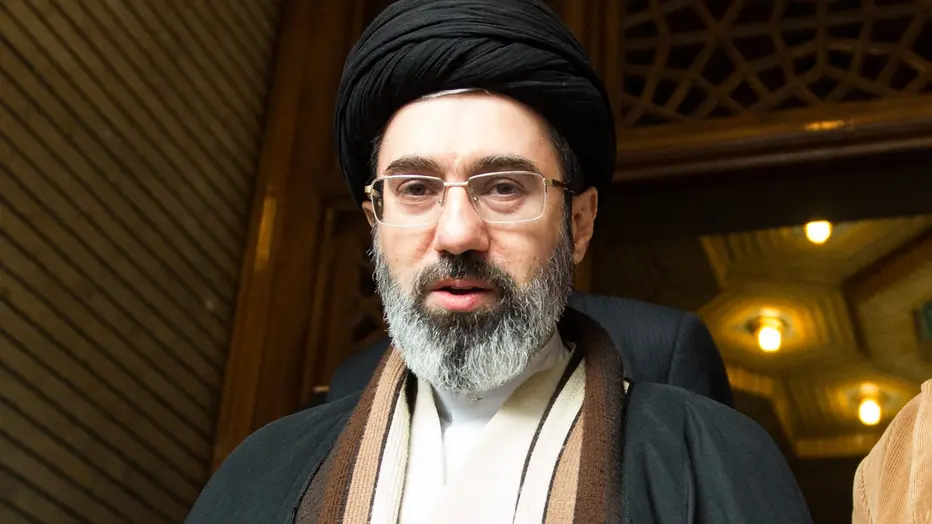
Washington put a bounty on Iran’s head of state Friday, offering $10 million for intelligence about Mojtaba Khamenei and nine other officials in what amounts to a public declaration that the United States views the country’s entire leadership structure as a terrorism apparatus worth dismantling through rewards and potential defection. The State Department framed the […]
Analysts: US Iran ‘No Quarter’ Stance Violates War Laws
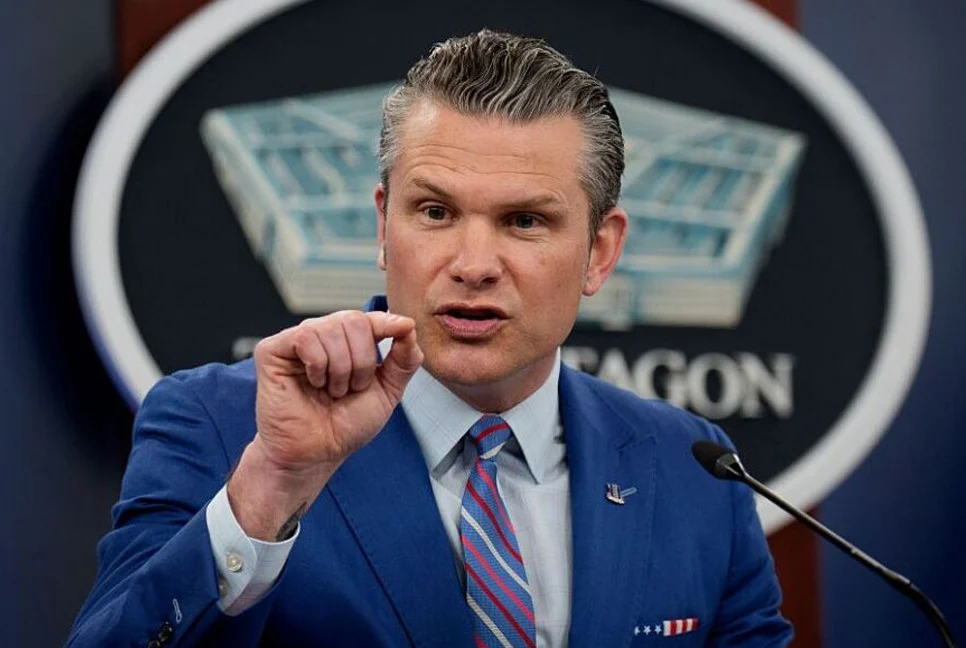
Pentagon chief Pete Hegseth declared Friday that American forces will show “no quarter, no mercy” toward Iranian enemies, language that legal experts say violates prohibitions against war crimes established more than a century ago and codified in treaties the United States has signed. The threat came as the conflict with Iran entered its third week, […]
Sudan Market Drone Strike Kills 11, Civilian Deaths Surge
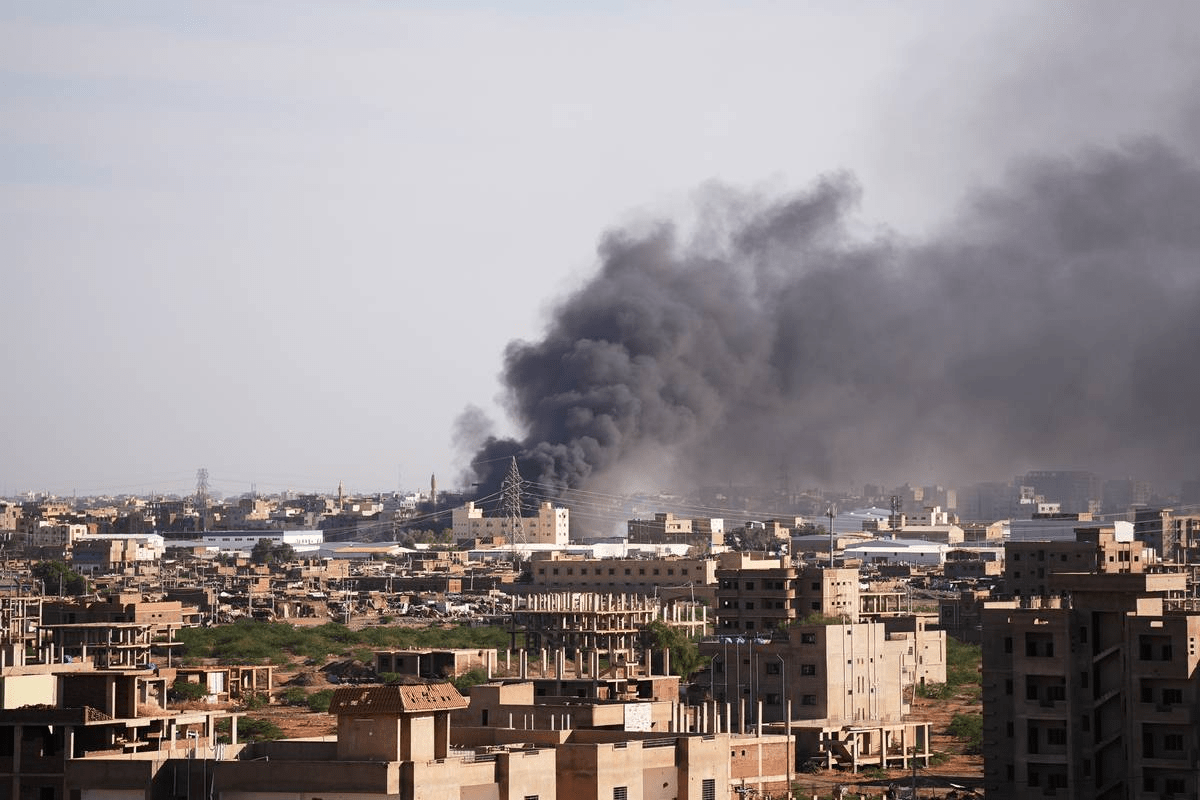
Drone strikes killed more than 200 civilians across Sudan in ten days, the United Nations reported Thursday, documenting an acceleration in aerial warfare that has made unmanned aircraft the weapon of choice in a conflict that has displaced 12 million people and created what relief agencies call the world’s largest humanitarian emergency. The death toll […]